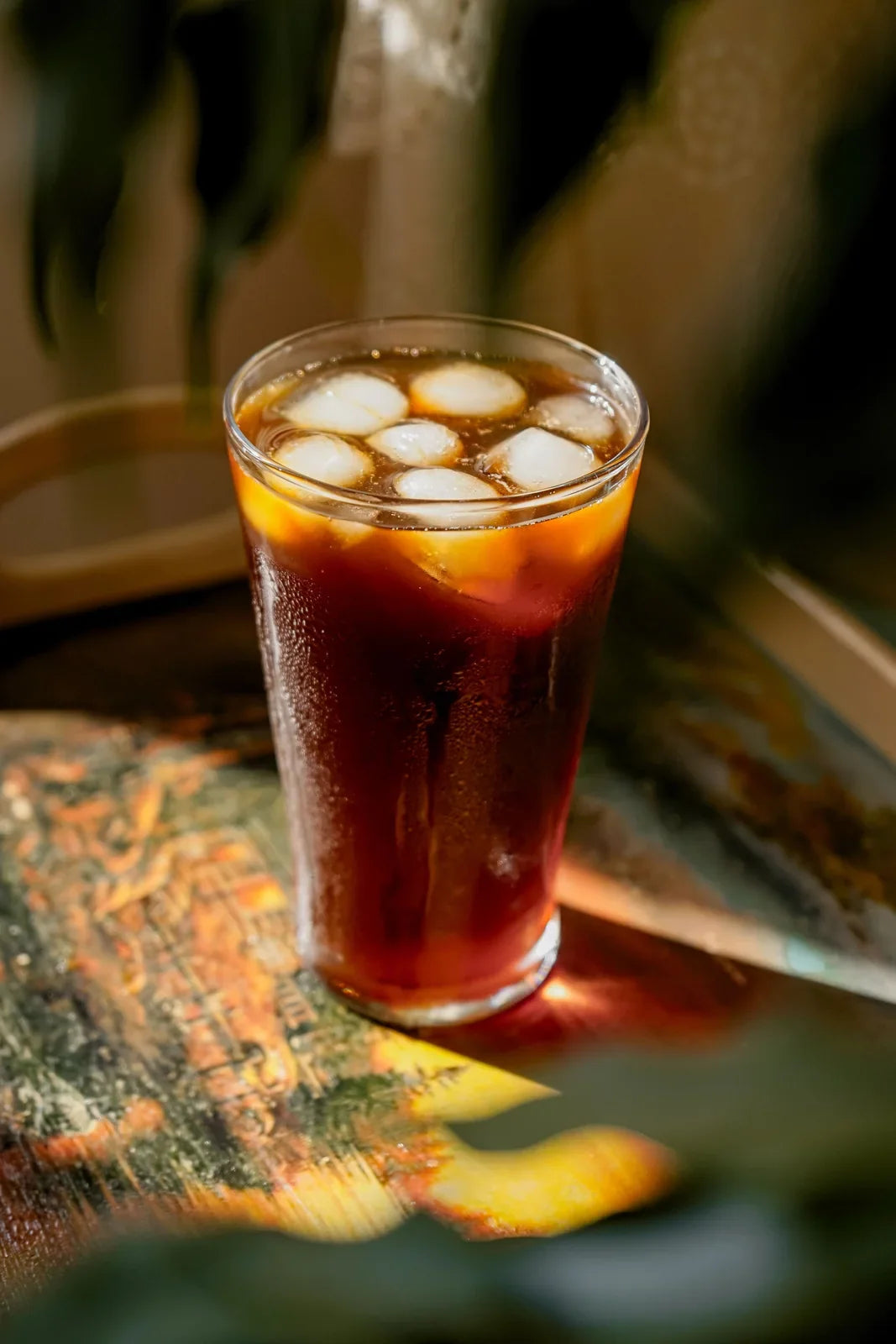
When you grind coffee beans for cold brew at home, start with a coarse grind and steep for about 12–16 hours. If the coffee tastes bitter or muddy, try grinding slightly coarser or shortening the steep; if it tastes weak, move a little finer or use more coffee.
Heavy sediment usually comes from too many fine particles or insufficient filtration. Grind size, coffee-to-water ratio, steep time, and filtering all work together, so adjust one variable at a time until the batch tastes clean and balanced.
Choose a Grind Size That Matches the Planned Steep Time
The longer the coffee stays in water, the coarser the grind should usually be. Cold brew often steeps for many hours, so starting around a coarse grind gives the water more time to extract flavor without exposing as much very fine coffee to a long immersion.
The National Coffee Association recommends starting with a coarse grind for cold brew and then adjusting based on taste. That is more useful than copying an exact dial number because grinders do not use the same scale.
Signs the Grind Is Too Fine
If the grounds look closer to drip or medium-fine coffee, you may notice more sediment at the bottom of the pitcher. Fine particles can pass through mesh filters more easily and remain suspended in the drink.
Taste can give you another clue. A batch that is both muddy and harsh after a long overnight steep is a good candidate for a slightly coarser grind on the next brew.
Do not jump from medium to the coarsest possible setting immediately. Move a few steps coarser, keep the rest of the recipe the same, and compare the result.
Signs the Grind May Be Too Coarse
A coarse grind is normal for cold brew, but coffee can still be ground too coarsely for your recipe. If the finished drink tastes thin, hollow, or weak before you dilute it, the coffee particles may be too coarse for the steep time and ratio you are using.
Try moving slightly finer before automatically adding several more hours to the brew. A very long steep can introduce new flavor problems while still leaving the recipe hard to repeat.
If you are learning how to grind coffee beans for cold brew, aim for a texture clearly coarser than standard drip coffee and adjust from the finished drink rather than from appearance alone.
Balance Coffee, Water, and Dilution After Brewing
A strong cold brew concentrate is not the same as an overly bitter cold brew. Before changing the grinder, check whether the batch was designed to be diluted.
Cold brew recipes vary widely. The National Coffee Association gives a strong starting ratio of roughly 1 part coffee to 4–5 parts water, and also notes that cold brew concentrate can be diluted when served. A recipe that strong may taste intense or heavy if you drink it straight.
For a lighter ready-to-drink batch, you can use more water during brewing. Research on immersion cold brew has also tested ratios around 60 g of coffee to 700 g of water, or roughly 1:12, showing how much recipes can differ depending on the intended result.
A simple way to troubleshoot is:
- If the coffee tastes strong but smooth, add water, milk, or ice when serving.
- If it tastes bitter, dry, or harsh, changing dilution alone may hide the problem rather than fix it.
- If it tastes weak before dilution, increase the coffee dose or adjust the grind slightly finer.
- If the flavor is good but the body is too heavy, improve filtration before changing the ratio.
Measure the coffee and water for a few batches instead of estimating by scoops. Once you find a ratio you like, it becomes much easier to tell whether the next change should be grind size or steep time.
Why Can a Long Steep Make Cold Brew Taste Bitter?
More time does not always mean more sweetness or a stronger cup. Once much of the easy-to-extract material has entered the water, a very long steep can continue pulling compounds that make the drink taste harsher.
In one cold-brew study, coffee prepared with a coarse grind for 14 hours received higher sensory scores than the same style brewed for 22 hours, while the longer brew increased extraction and dissolved solids. The cold brew grind-and-time study found that both particle size and contact time changed the finished coffee.
Other research has found that full-immersion extraction approaches equilibrium earlier than the 12–24 hour schedules often used at home. Very long contact times can therefore add intensity without always improving flavor.
If your normal batch sits for 20–24 hours and tastes bitter, test a shorter steep before changing several other variables. For example, move from 20 hours to 14–16 hours while keeping the coffee, water, grind, and temperature the same.
Temperature matters too. Coffee left on a kitchen counter extracts differently from coffee steeped in the refrigerator. Keep the brewing location consistent while you test steep time so you are not changing two variables at once.
How Do You Filter Fine Sediment Without Removing All the Body?
Use a coarse filter first, then add a finer second pass only if the drink is still muddy. This removes sediment without forcing every batch through a very slow paper filter from the start.
First Pass: Remove the Main Grounds
A French press screen, cold-brew basket, fine-mesh strainer, or similar filter can remove the large coffee particles after steeping. Pour slowly and avoid squeezing or aggressively stirring the wet grounds, which can push more fine material into the finished coffee.
Letting the batch sit for a few minutes before pouring can also help some sediment settle at the bottom of the brewing container.
Second Pass: Clean Up Fine Sediment
If the coffee still looks cloudy or leaves a heavy layer of silt, pass it through a paper coffee filter or a fine strainer lined with cheesecloth. The National Coffee Association also suggests straining cold brew a second time when needed.
Paper filtration produces a cleaner cup but can also remove some oils and body. If you like a fuller texture and only see a small amount of sediment, you may prefer to stop after the first filtration step.
Heavy sludge is often a sign that filtration is not the only issue. If the bottom of every pitcher contains a thick layer of fine coffee, check the grind before buying a finer filter.
When Does Grinding a Fresh Batch at Home Improve Repeatability?
Grinding each cold-brew batch with a 100-setting burr grinder at home gives you more control when you are trying to fix bitterness or sediment. You can change the grind one step at a time while keeping the beans, ratio, and steep time the same.
This matters even more for large pitchers. If a batch uses 80–120 grams of coffee, uneven grinding can produce excess fines that make filtration slow and leave noticeable sediment.
For example, the SHARDOR Professional 64mm Flat Burr Grinder covers settings from fine espresso through coarse French press and cold brew. For someone who prepares a large pitcher every few days, the wide adjustment range lets you move the cold-brew grind slightly coarser or finer without changing burr coffee grinders, while the timed controls make it easier to repeat a larger batch.
Once you find a coarse range that works, record the setting and keep the dose and steep time consistent. If a new bag behaves differently, change the grind in small steps rather than immediately changing the entire recipe.
SHARDOR's existing explanation of why grind consistency matters in cold brew goes deeper into particle consistency and fines. For troubleshooting at home, the important point is simple: repeatable grinding lets you test one change and see whether it actually fixed the next pitcher.
Get a Cleaner Cold Brew From the Next Batch
Bitter or muddy cold brew usually improves when you stop treating steep time, grind, ratio, and filtration as separate guesses. Start with coarse grounds, keep the recipe measured, and shorten an overly long steep before making several changes at once. If the flavor is already good but sediment remains, improve the filtration instead of changing the coffee. Small, repeatable adjustments will give you a cleaner result faster than copying one fixed cold-brew setting from another grinder.
FAQs About Grinding Coffee Beans for Cold Brew
Q1. How Coarse Should Coffee Be Ground for Cold Brew?
Start with a coarse grind, clearly larger than standard drip coffee grounds. If the batch is muddy or harsh, move slightly coarser; if it tastes thin after a normal steep, try a small step finer.
Q2. Why Is My Cold Brew Bitter Even With Coarse Grounds?
The steep may be too long, the coffee-to-water ratio may be very strong, or the beans themselves may have a more bitter roast profile. If you are steeping for 20–24 hours, test a shorter batch while keeping the other variables the same.
Q3. Why Is There So Much Sediment in My Cold Brew?
Very fine coffee particles can pass through mesh filters and settle at the bottom of the pitcher. A more even coarse grind and a second filtration through paper or cheesecloth can reduce the sediment.
Q4. Can You Use Medium-Ground Coffee for Cold Brew?
Yes, but a medium grind generally extracts faster and may create more sediment during a long steep. If medium-ground coffee is all you have, start with a shorter steep and check the flavor before leaving it overnight for a very long period.
Q5. Should Cold Brew Steep for 12 or 24 Hours?
Around 12–16 hours is a useful starting range for many home batches, but the best time depends on grind size, temperature, beans, and ratio. If a 24-hour brew tastes harsh, shorten the contact time rather than assuming a longer steep must produce better cold brew.