If your homemade latte tastes mostly like warm milk, the problem is usually the balance between cup size, espresso strength, and milk volume. A large mug can easily overwhelm one weak shot. Start with a balanced espresso base, use less milk, and keep the cup size reasonable. Once the coffee flavor comes through clearly, adjust the milk little by little until the latte tastes right to you.
Match the Cup Size to the Amount of Espresso
A larger cup needs enough espresso to stay noticeable after the milk is added. If you put one small shot into a 12 or 16 oz mug and fill the rest with milk, the drink will naturally taste mild.
A traditional espresso is a concentrated drink. The Specialty Coffee Association describes a single espresso as roughly 25–35 mL, with a double roughly twice that amount. Once several ounces of milk are added, the espresso becomes a much smaller part of the finished drink. Use these amounts as a simple home starting point:
| Cup Size | Espresso Base | Milk Starting Point |
|---|---|---|
| 6–8 oz | 1–2 shots | About 4–5 oz |
| 10–12 oz | Double shot | About 6–8 oz |
| 14–16 oz | Double shot or more, based on taste | Add milk gradually |
These are starting points, not fixed café rules. The main idea is simple: do not choose the biggest mug first and then fill all the empty space with milk. If your latte tastes good in an 8 oz cup but disappears in a 16 oz tumbler, the espresso has not suddenly become worse. The larger drink simply contains much more milk relative to the coffee.

Check Whether the Espresso Base Is Thin or Under-Extracted
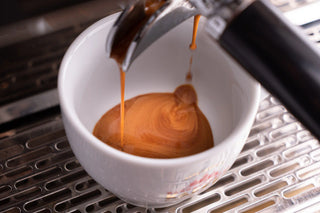
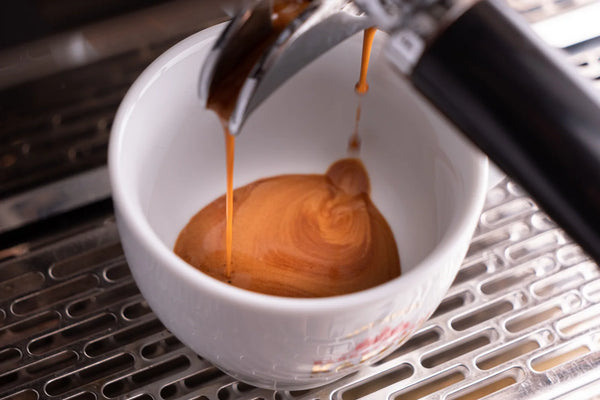
Taste the espresso before adding milk. If the shot already tastes weak, thin, or sharply sour, adding milk will make the coffee flavor even harder to notice.
A balanced espresso should have enough body and concentration to stand up to milk. If the shot runs much faster than usual, the grind may be too coarse or the puck may offer too little resistance. Try a slightly finer grind on the next shot while keeping the coffee dose and target yield the same.
If the shot barely flows and tastes dry or harsh, move slightly coarser. Small changes are easier to understand than changing the grind, dose, and shot volume all at once.
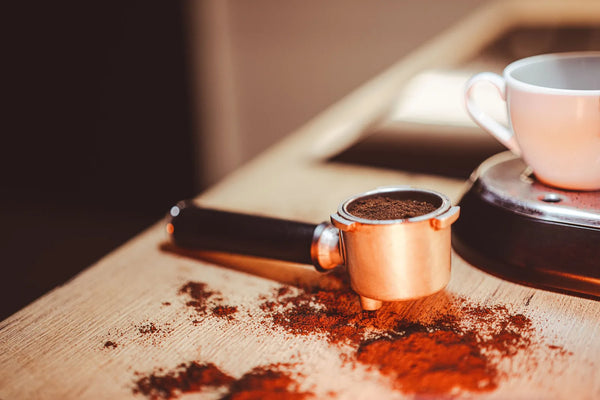
A useful starting point for many home espresso recipes is around a 1:2 coffee-to-beverage ratio, such as 18 g of ground coffee producing about 36 g of espresso. Getting the espresso coffee-to-water ratio consistent gives you a stable base before you start changing the amount of milk.
Milk can also soften the way coffee flavors are perceived. In sensory testing, adding milk reduced the perception of several coffee-related flavors, including bitter and roasted notes in some samples. That makes a weak espresso base especially easy to lose inside a large latte.
Fix the shot first if it tastes poor on its own. If the espresso tastes balanced and the finished latte still tastes like warm milk, move on to the milk amount.
Reduce the Milk Before Automatically Adding Another Espresso Shot
If the espresso tastes good by itself, use less milk before adding another shot. This is often the easiest fix for a latte that tastes too mild.
Suppose you make a double espresso and add 10 oz of steamed milk. Try the same double shot with 7 or 8 oz of milk next time. You keep the same coffee base but increase its share of the finished drink.
This approach is especially useful when you like the caffeine level of your current recipe. Adding another shot changes both flavor and caffeine, while reducing milk changes the balance without increasing the amount of espresso.
Make the adjustment in small steps. Removing several ounces of milk at once can turn a mild latte into a drink that feels much stronger than you expected.
Your mug can help with consistency. If you find that a double shot plus 7 oz of milk tastes right, use the same cup and milk level for the next few mornings. Once that baseline feels reliable, you can make small changes for different beans or personal taste.
Why Do Milk Texture and Pouring Order Affect the First Sip?
Milk texture can change how evenly the coffee and milk reach your mouth. A latte with smooth microfoam feels more integrated, while poorly mixed milk can leave the first few sips tasting different from the rest of the cup.
You do not need to relearn the full steaming process for this problem. The important point is to keep the steamed milk fluid enough to pour and mix with the espresso. If a thick foam cap sits on top while most of the liquid milk stays underneath, the drink can feel separated.
After steaming, swirl the pitcher gently so the liquid milk and microfoam stay together. Pour soon after steaming instead of letting the pitcher sit while the foam rises and the liquid settles.
For a normal latte, pouring the steamed milk into the espresso helps the two combine as the cup fills. A very slow pour that leaves most of the milk at the bottom and a thick foam layer at the top can make the first sip feel milk-heavy or foam-heavy.
If milk texture itself is the problem, getting the steam wand position, aeration, and milk temperature under control can help. For this latte problem, though, keep the focus on balance: a good espresso base and the right milk amount matter first.
How Does a Home Espresso Machine Help You Repeat the Same Base Shot?
A home espresso machine is most useful when it helps you repeat the same espresso base before you change the milk. If the coffee dose and shot size change every morning, it becomes hard to tell whether the milk amount is actually the problem.
For example, make a double shot with the same beans and grinder setting for several mornings. Use the same cup and measure roughly the same milk amount. If the drink still tastes too mild, reduce the milk. If the espresso itself changes from shot to shot, correct that first.
Build a Repeatable Base
An espresso machine for home use with clear single- and double-shot controls can make this easier. You can return to the same basic shot size, then adjust the milk around that fixed starting point. The SHARDOR 20 Bar Espresso Machine with Touchscreen Adjustable fits this type of routine with single- and double-shot controls plus a manual mode.
For someone making a weekday latte, the useful part is being able to repeat the same espresso base and then change the milk amount by an ounce or two until the coffee flavor feels balanced.
Change One Thing at a Time
Keep the process simple:
- Pull the same espresso base.
- Taste it before adding milk.
- Measure the milk for one or two test drinks.
- Reduce the milk slightly if the coffee disappears.
- Change the espresso only if the shot itself tastes weak.
An at home espresso machine does not need to make every decision for you. Its main value here is giving you a repeatable starting point, so each change has a clear purpose.

Bring the Coffee Flavor Back Into Your Latte
A homemade latte that tastes like warm milk usually needs a better balance, not a complicated new recipe. Match the cup size to the espresso, make sure the shot tastes good on its own, then reduce the milk before adding more coffee. Once you find a combination you like, keep the cup, espresso base, and milk amount consistent. Small changes are much easier to judge when the starting recipe stays the same.
FAQs About Fixing a Weak Homemade Latte
Q1. Why Does My Homemade Latte Taste Mostly Like Milk?
The cup may be too large for the amount of espresso, or the espresso itself may be weak. Taste the shot first, then reduce the milk if the espresso is already balanced.
Q2. How Much Milk Should I Add to a Double Espresso for a Latte?
About 6–8 oz of milk is a useful starting range for a 10–12 oz home latte. Use less if you want a stronger coffee flavor, then adjust in small steps.
Q3. Should I Add Another Espresso Shot if My Latte Is Too Weak?
Not immediately. If the espresso tastes balanced on its own, try reducing the milk first. Add another shot when you want a larger drink and still want the coffee flavor to stay strong.
Q4. Can a Latte Taste Weak Even With a Double Shot?
Yes. A double shot can still disappear in a very large cup with a lot of milk. Shot quality also matters, so check that the espresso is not running too fast or tasting thin before changing the latte recipe.
Q5. Does the Order of Espresso and Milk Matter in a Latte?
It can affect how evenly the drink comes together, especially if the milk and foam have started to separate. Pouring smooth steamed milk into the espresso soon after steaming helps the coffee and milk mix more evenly.