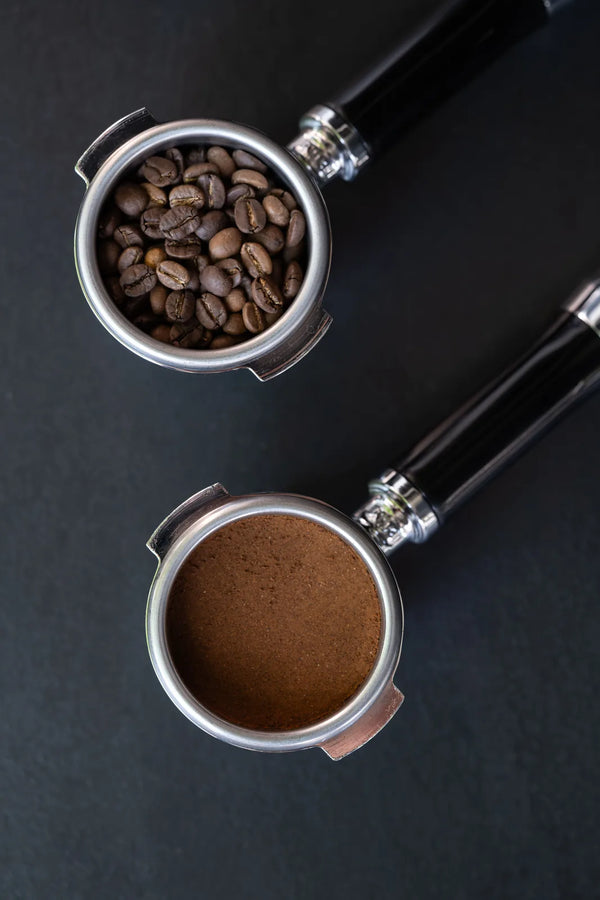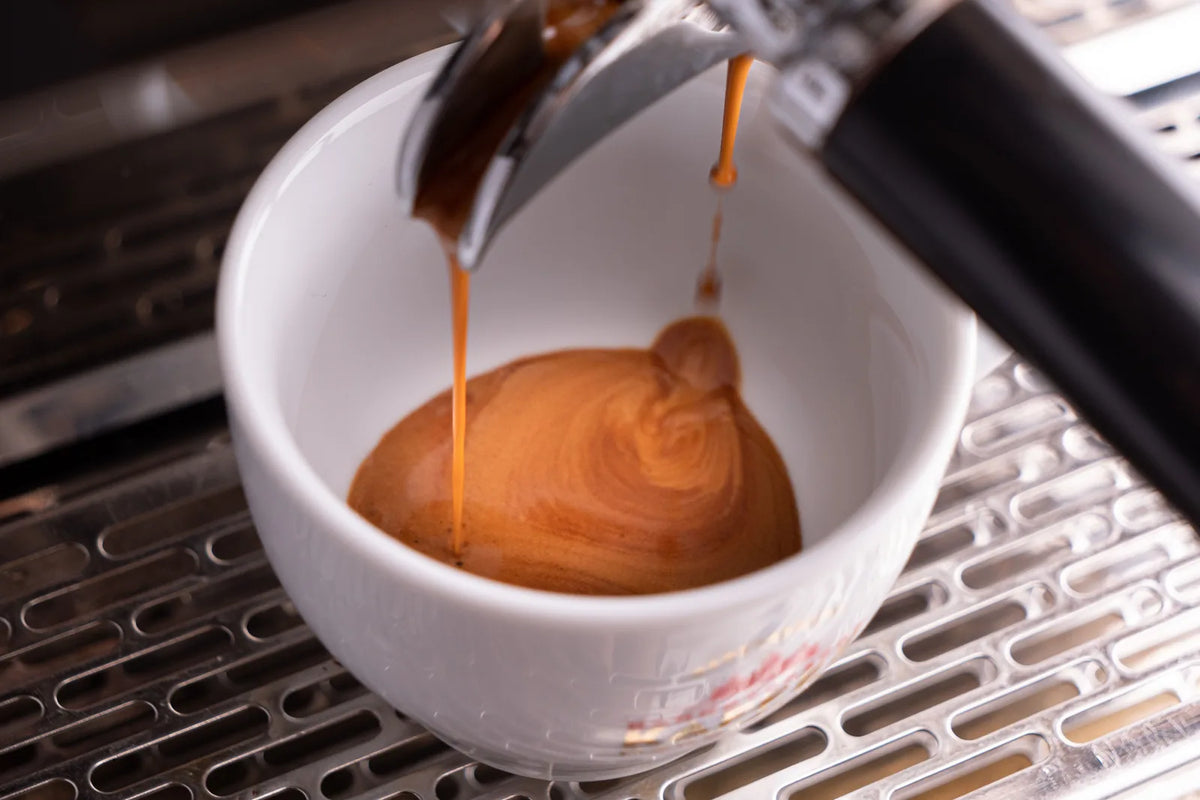
Espresso crema naturally starts breaking down soon after the shot is pulled. If it disappears very quickly, check the coffee beans and shot flow before changing the grinder. Freshness often affects crema more than small grind changes. Adjust your espresso grind coffee only when the shot also runs too fast or too slowly, or when the taste shows that extraction needs correction.
How Coffee Freshness and Roast Level Affect Crema
Fresh coffee usually produces more crema because it still holds more carbon dioxide from roasting. During brewing, some of that gas is released and helps form the foam on top of the espresso.
Tests on espresso crema volume and stability found that coffee freshness and bean variety had a stronger effect on crema volume than grind size, brew ratio, or water temperature. Fresher coffee produced more crema in the study.
This is why an older bag may suddenly give you less crema even when the grinder setting has not changed. If the shot still flows well and tastes balanced, there is little reason to grind finer just to make the foam thicker.
Explanation of how roast level can change the grind you need for espresso can help when a new bag behaves differently from the one you used before. The useful goal is to adjust for the coffee itself rather than trying to reproduce the exact crema from another roast.

What a Very Fast or Very Slow Espresso Shot Can Reveal
Use shot flow and taste to decide whether the grind needs changing. Crema alone is not enough.
Fast Shots
If espresso runs through the puck much faster than usual and tastes thin, sharp, or sour, try a slightly finer grind. Finer grounds usually create more resistance and slow the flow. Keep the dose and target yield the same for the next shot. That way, you can tell whether the grind change actually helped.
Slow Shots
If the espresso only drips or takes much longer than normal and tastes harsh or dry, try a slightly coarser grind. Research shows that more fine particles reduce coffee-bed permeability, which slows water moving through the puck and increases extraction time. Flow has a strong effect on espresso extraction, and that effect becomes more noticeable at finer grind settings. This is why a small grind change can make a large difference in how quickly the shot reaches the cup.
When Is Finer or Coarser Grinding Worth Testing?
Change the grind when flow and taste point in the same direction. Do not change it just because the crema looks thinner than yesterday.
Use this as a simple guide:
| What You Notice | Grind Change to Test |
|---|---|
| Fast shot + thin or sour taste | Slightly finer |
| Slow shot + harsh or dry taste | Slightly coarser |
| Normal flow + balanced taste + thin crema | Keep the grind and check bean freshness |
| Thick crema + unpleasant taste | Fix the flavor, not the foam |
| New coffee behaves differently | Make a small adjustment and test again |
The espresso coffee grinder matters because espresso often needs small changes rather than large jumps. If one setting runs too fast and the next setting runs too slowly, it becomes harder to find the middle ground.
For example, the SHARDOR Professional 64mm Flat Burr Grinder offers 100 grind settings from fine espresso through coarser brewing ranges. In a home espresso routine, that wider adjustment range lets you move the grind in smaller steps when a new bag changes the shot flow, instead of making a large jump simply to chase more crema.
A burr grinder for espresso is most useful when it helps you repeat a setting and make controlled changes. The goal is not the thickest possible crema. It is a shot that flows well and tastes balanced.
Why Do Cup Temperature and Waiting Time Change What You See?
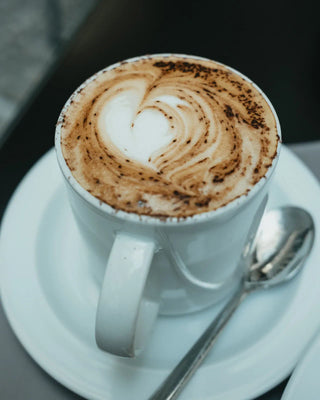
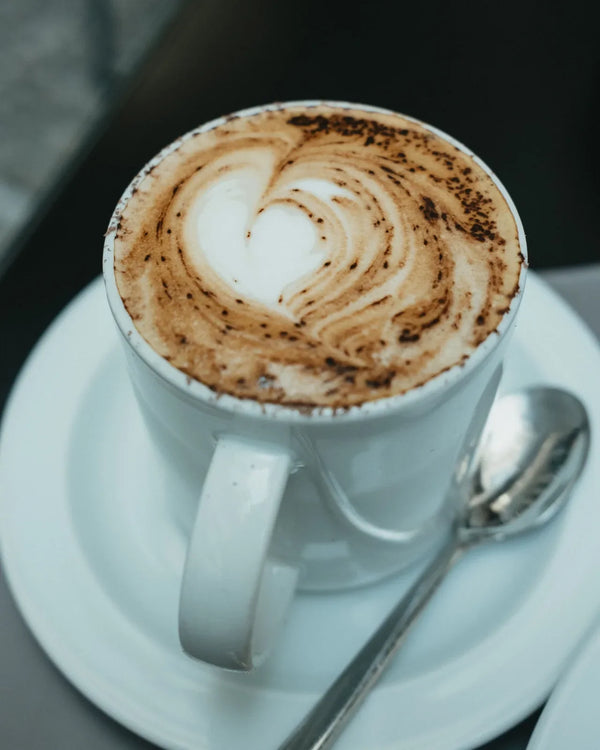
Crema is temporary foam, so it starts changing as soon as the espresso reaches the cup. Waiting even a short time can make the layer thinner or leave open spots on the surface.
Crema contains small gas bubbles held in a liquid structure. Over time, liquid drains downward, bubbles change size, and the thin films around them begin to break. Research on espresso crema volume and stability describes crema as an unstable foam that naturally loses its structure after brewing.
That means a shot photographed immediately and the same shot two minutes later can look very different even though nothing went wrong with the extraction.
Cup temperature also changes how quickly the espresso cools. A cold ceramic cup pulls heat away from a small espresso shot faster than a warm cup. Preheating the cup can help the drink stay warm, but it should not be treated as a fix for poor crema.
The practical rule is simple: compare crema at about the same point after brewing. If you judge one shot immediately and another several minutes later, you are not making a fair comparison.
Taste the espresso while it is still fresh as well. A fading crema layer does not mean the coffee suddenly became bad.
How an Espresso Grinder Helps You Make Small, Repeatable Changes
A good coffee grinder for espresso gives you a setting you can return to and enough adjustment to correct the next shot without starting over.
Imagine you open a fresh bag on Monday. Your usual grind gives you a balanced shot. Several days later, the espresso begins running a little faster. Instead of making a large grind change, you can move slightly finer and compare the next shot.
That repeatable process is more useful than adjusting the grinder every time the crema looks different.
Keep these habits simple:
- Use the same dose while testing the grind. Changing dose and grind together makes the result harder to understand.
- Make small adjustments. Espresso can respond noticeably to a small grind change.
- Watch the flow. Compare how long the shot takes to reach your normal yield.
- Taste before changing again. Better crema is not useful if the espresso tastes worse.
- Record a good setting. This gives you a starting point when you use the same beans again.
If you use several coffees, expect each one to need a slightly different setting. Roast, freshness, bean density, and age can all change how the puck behaves.
The grinder's job is to give you enough control to respond to those changes. Crema can help you notice that something changed, but flow and flavor should decide whether the grinder needs adjustment.
Focus on the Espresso, Not Just the Foam
Crema can tell you something about freshness and extraction, but it is not a score for espresso quality. A thin crema layer can still sit on a balanced shot, while thick crema does not guarantee good flavor.
If the crema disappears quickly, check bean freshness first. Then look at shot speed and taste. Adjust the grind only when those signs show that extraction needs a change, and make the adjustment in small, repeatable steps.

FAQs About Espresso Crema and Grind Size
Q1. Why Does My Espresso Crema Disappear So Fast?
Crema naturally breaks down after brewing. Older coffee may also produce less crema because it has lost more carbon dioxide, while bean type and extraction conditions can change how much foam appears.
Q2. Does Finer Espresso Grind Make More Crema?
Not necessarily. Grind size affects espresso flow and extraction, but research has found that coffee freshness has a stronger effect on crema volume. Grind finer when the shot also runs too fast or tastes underextracted, not simply to create more foam.
Q3. Does Fresh Coffee Make More Crema?
Usually, yes. Freshly roasted beans contain more trapped carbon dioxide, which is released during espresso brewing and helps form crema. As the beans age and lose gas, the crema may become thinner.
Q4. Can Espresso Have Good Crema but Taste Bad?
Yes. A thick crema layer does not guarantee a balanced shot. The espresso can still taste bitter, sour, weak, or harsh, so flavor and shot flow should carry more weight than crema appearance alone.
Q5. How Fine Should Coffee Be Ground for Espresso?
Espresso normally needs a fine grind, but the exact setting depends on the beans, grinder, dose, and machine. Start in the espresso range, then move slightly finer if the shot runs too fast or slightly coarser if it runs too slowly.