A small amount of fine sediment at the bottom of an espresso cup can be normal. If you see obvious grit, larger particles, or too many coffee grounds in the drink, check the grind size, coffee dose, filter basket, portafilter, and group head. Start with the easiest fixes first. Clean the basket, wipe away loose grounds, check that you are not overfilling it, and only change the grind if the shot flow also looks wrong.
Is the Coffee Ground Too Fine for the Filter Basket?
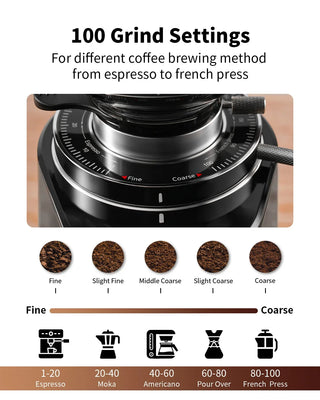
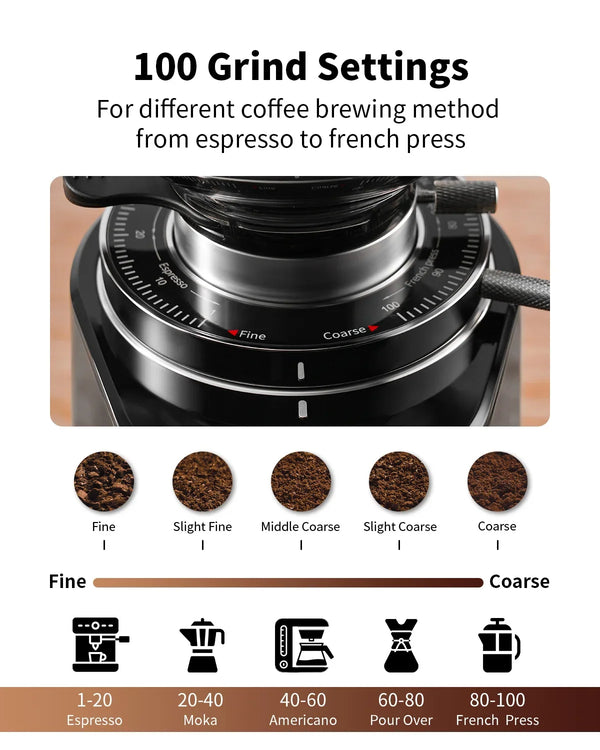
If the shot is both gritty and unusually slow, the grind may be too fine. Very fine coffee creates more small particles, or fines, that can collect around the basket holes and slow espresso extraction through the puck.
Research on fine particles in espresso grounds shows that more fines can reduce coffee-bed permeability and slow espresso flow. That does not mean every fine particle will pass into your cup, but a very fine grind can make sediment and slow extraction more noticeable.
Use the shot itself as your guide:
| What You See | Check First |
|---|---|
| A little fine sediment at the bottom | May be normal |
| Grit + very slow shot | Grind may be too fine |
| Grounds + normal shot flow | Basket, rim, or group head |
| Larger visible particles | Basket condition |
| Problem started after changing dose | Basket may be overfilled |
Do not grind much coarser just to remove every speck of sediment. If the espresso coffee tastes balanced and only a small amount settles at the bottom, the grind may already be working well.
Can Overfilling the Basket Push Grounds Into the Cup?
Yes. Too much coffee can leave too little space between the puck and the group head. When the portafilter is locked in, the top of the coffee bed may press against the shower screen.
This can disturb the puck and leave loose coffee around the group head. You may also notice that the portafilter is harder to lock in or that the used puck has a strong screen mark on top.
Use the dose range recommended for your basket instead of filling it as high as possible. More coffee does not automatically make stronger or better espresso.
Also wipe the basket rim before inserting the portafilter. Loose grounds around the edge can interfere with the seal and may stay around the group head after brewing.
If the problem started after you increased the dose, return to the previous amount before changing the grind. Testing one change at a time makes the cause much easier to find.
How Do You Check the Basket Holes, Rim, and Portafilter?
Inspect the basket if changing the dose or grind does not solve the problem. Look for blocked holes, coffee around the rim, residue inside the portafilter, or visible damage.
Hold a clean basket up to the light. The holes should look open and fairly even. If some are blocked with coffee oils or fine grounds, clean the basket before pulling another shot.
The SHARDOR 20 Bar Espresso Machine with Touchscreen Adjustable comes with matched single- and double-shot filter baskets and a portafilter. Using the basket designed for the shot you are making helps keep the setup simple, while regular rinsing helps keep the small openings clear. After brewing, remove the basket and check the inside of the portafilter too. Old grounds or coffee oils can collect there and later wash into the next cup.
Rinse the basket and portafilter after use rather than waiting for residue to build up. This also makes troubleshooting easier because you know you are starting the next shot with clean parts.
Could the Grounds Be Coming From a Dirty Group Head?
Yes. Coffee left on the shower screen or around the group head can fall into the next cup. If the basket looks clean but you still see grounds, check the area above the portafilter.
After brewing, remove the portafilter and look at the underside of the group head. Visible grounds around the shower screen are a sign that it needs a rinse, descaling, or routine cleaning.
Following a regular espresso machine cleaning routine helps remove loose grounds and coffee oils before they build up. A quick flush after brewing can also clear coffee left around the screen.
Do not scrape small openings with sharp objects. Use the cleaning method and tools recommended for your stainless steel espresso machine.
Once the group head, basket, and portafilter are clean, pull another shot. If the cup is now cleaner, old coffee residue was likely part of the problem.
When Should a Damaged Filter Basket Be Replaced?
Replace the basket when you can see real physical damage, not just because a few fine particles appear in the cup.
Check for:
- Bent or badly dented areas
- Cracks
- A rim that no longer sits correctly
- Damaged or enlarged holes
- A basket that no longer fits the portafilter properly
Cleaning can remove coffee buildup, but it cannot repair damaged metal.
Before buying a replacement, clean the basket carefully and test the correct dose and grind again. A small amount of sediment does not automatically mean the basket is worn out.
If replacement is needed, use a basket made for your electric espresso machine model. Basket diameter, depth, and fit can vary, so a part that looks similar may not work correctly with your portafilter.
Keep the Grounds Where They Belong
A few tiny particles in espresso are usually not a reason to worry. Obvious grit is a better sign that something needs checking. Start with the grind and dose, then inspect the basket, portafilter, and group head. Keep those parts clean and replace the basket only when you find real damage. This simple order solves the most common causes without making unnecessary changes to a setup that is already working well.
FAQs About Coffee Grounds in Espresso
Q1. Is It Normal to Have Coffee Grounds in Espresso?
A small amount of very fine sediment can be normal. Larger particles, a gritty texture, or a noticeable amount of grounds should be checked because they may point to the grind, dose, basket, or cleaning.
Q2. Can Grinding Espresso Too Fine Put Grounds in the Cup?
It can make fine sediment more noticeable, especially if the shot also runs very slowly. Try a small coarser adjustment only when the flow and taste also suggest the grind is too fine.
Q3. Why Are Coffee Grounds Stuck Around My Portafilter?
Loose grounds may have spilled onto the basket rim during dosing, or old coffee may remain around the portafilter or group head. Wipe the rim before brewing and rinse the parts after each shot.
Q4. How Can I Tell if My Espresso Basket Is Clogged?
Clean the basket and hold it up to the light. If some holes still look blocked, follow the cleaning method recommended for your machine before pulling another shot.
Q5. Do I Need to Replace My Espresso Filter Basket?
Only when it is physically damaged, badly deformed, or no longer fits and works correctly after cleaning. Normal stains or a small amount of sediment do not mean the basket needs replacement.