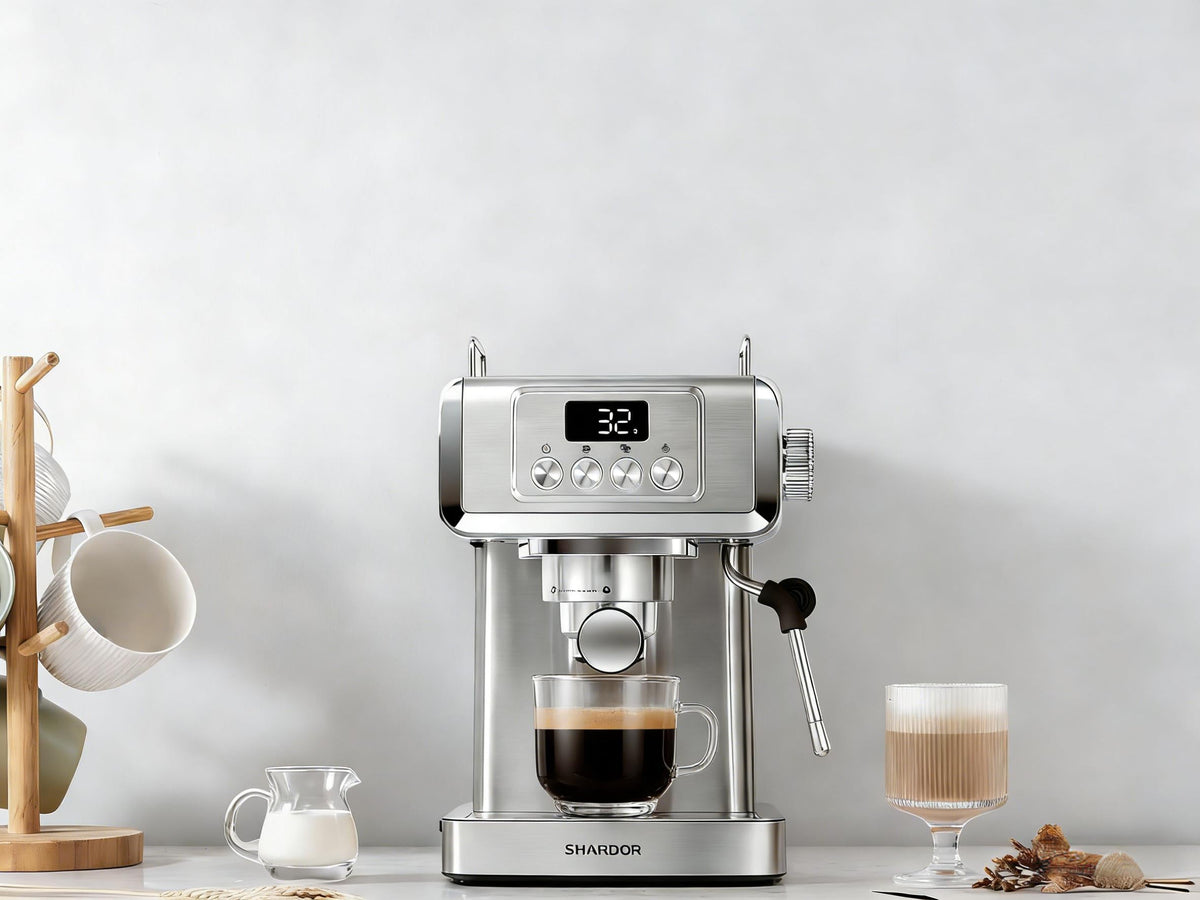
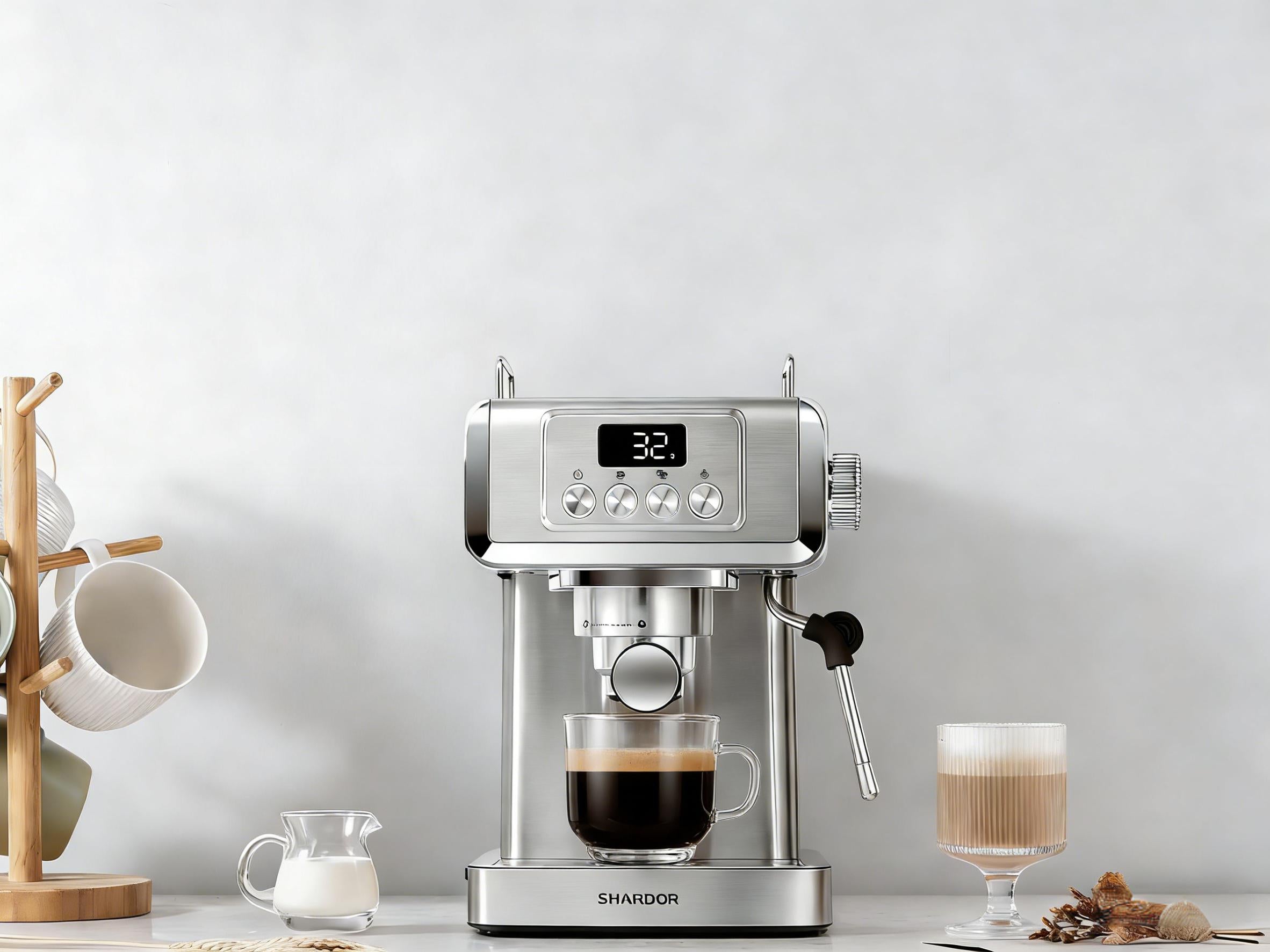
To keep your espresso machine performing at its peak, you should descale regularly. This essential process involves flushing an acidic solution through the system to dissolve mineral deposits that clog pipes and ruin flavor. Regular cleaning prevents slow water flow and ensures consistent brewing temperatures. By maintaining a steady schedule and using filtered water, you protect your investment from costly repairs while ensuring every shot remains rich, balanced, and delicious.
How to Descale and Clean an Espresso Machine: Step-by-Step
Following a clear sequence of actions makes the maintenance process manageable and highly effective for any owner. Descaling is the process of using an acidic solution to dissolve calcium and magnesium buildup that naturally occurs inside the water lines.
Prepare the Machine and Tools
Begin by switching off the power and allowing the internal components to cool down completely. You should remove the water reservoir and take out any water filters that might be present. It is also important to remove the portafilter. Empty the drip tray and ensure you have a large container ready to catch the liquid that will be expelled from the system.
Mix the Descaling Solution
Fill the water tank with a mixture of water and your chosen descaling agent. If you are using a concentrated liquid, pour it in first and then add fresh water up to the maximum fill line. You must ensure the solution is well mixed before you place the tank back into the machine. Position your collection containers under the steam wand and the group head, which is the main circular part where water meets the coffee grounds.
Start the Descaling Process
Turn the power on and allow the machine to reach its operating temperature. Open the steam valve for twenty seconds and then run the group head for another twenty seconds. This action draws the descaling solution into the boiler, which is the internal tank responsible for heating the water. Turn the machine off again and let it sit for twenty minutes. This resting period is crucial because it allows the acid to eat through the hardened mineral crust inside the metal pipes.
Rinse the Internal Components
Switch the machine back on and run the remaining liquid through the steam wand and the group head in short bursts. Once the tank is empty, you must perform a thorough rinse. Fill the reservoir with clean, filtered water and run at least two full tanks through the entire system. This step is vital to remove any traces of the cleaning solution that could ruin the taste of your next espresso or cause minor stomach irritation.
5 Signs Your Home Espresso Machine Needs Descaling
Recognizing when your home espresso machine requires attention can save you from a complete mechanical failure. Scale acts as an insulator on the heating elements, which forces the machine to work much harder than intended.

- Decreased Water Flow: If the coffee is only dripping slowly from the group head, mineral deposits are likely blocking the internal valves.
- Lower Temperatures: When the water is not hot enough to extract flavor, it usually means the boiler is coated in thick scale.
- Loud Pumping Noises: A pump that makes a struggling or vibrating sound is often trying to push water through a restricted opening.
- Visible White Particles: Finding chalky spots in your water tank or on the tip of your steam wand is a sign of advanced buildup.
- Sour Flavor Profiles: Coffee that tastes unusually sour or metallic often indicates that the water is spending too long in a dirty boiler.
Identifying these warning signs early allows you to maintain the quality of your drinks without interruption.
How to Choose the Best Descaler for Home Espresso Coffee Machines
Selecting the appropriate agent is vital for a successful cleaning session without damaging the sensitive parts. Different solutions offer varying levels of acidity and safety for home espresso coffee machines. Choosing the right cleaner ensures that you do not corrode the rubber gaskets, which are the seals that prevent water leaks.
| Cleaning Solution | Effectiveness | Safety for Internal Seals | Flavor Impact |
| Commercial Liquid | Exceptional | Very High | Minimal |
| Citric Acid Powder | Strong | High | Low |
| White Vinegar | Moderate | Lower | Very High |
| Plain Water | None | High | None |
Each option provides different benefits depending on your specific needs and the materials used in your equipment. While household vinegar is an option, it often leaves a lingering scent that is difficult to wash away. Most professionals prefer commercial liquids because they are designed to protect the copper and brass components inside your machine.

4 Maintenance Tips for the Best Home Espresso Machine Performance
Consistent care is the secret to keeping the best home espresso machine running like new for many years. Preventing the accumulation of minerals is much easier than removing a thick crust that has sat for several months inside the hardware.
- Use Softened Water: Filtering your water to remove excess minerals before it enters the reservoir is the most effective way to reduce the frequency of your cleaning cycles.
- Perform a Backflush: Run a backflush every few uses to flush out trapped coffee oils by forcing water backward through the internal valves with a solid disc.
- Clean the Steam Wand: Wiping the steam wand immediately after every use and purging it with a blast of steam keeps the small holes clear of milk residue and calcium.
- Inspect Gaskets Regularly: Checking the rubber seals for cracks or stiffness ensures that your machine maintains the high pressure needed for a perfect shot.
Active prevention helps keep the internal mechanics smooth and the water paths completely clear. By following a monthly maintenance schedule, you protect your investment and ensure that the machine operates at peak efficiency for a long time.
Keep Your Espresso Machine Running at Its Best
One of the easiest ways to keep your coffee tasting good and your machine lasting longer is to descale it often. Keeping an eye on mineral building might help you avoid problems with slow performance, temperature, and flavor that happen over time. Every few months, a short cleaning will keep your espresso taste fresh and your equipment working well. Don't wait for indicators of trouble to show up. This week, make a plan to descale your equipment and take care of it the way it should be. Your morning coffee routine will thank you for it.
FAQs about Descaling Basics
Q1. How often should I descale my espresso machine?
The majority of individuals discover that descaling their machine every few months keeps it in good working order. You may want to do this more often if you find that your tap water has a mineral taste or leaves stains on dishes.
Q2. Will switching to bottled water eliminate the need for descaling?
No. While it won't completely prevent mineral buildup, bottled water can help lessen it. Minerals are still added to a lot of bottled waters for flavor. Although distilled water has no minerals, some coffee lovers claim that it makes espresso taste a little bland.
Q3. Do I really need to buy special descaling products?
Not necessarily, but specialized descalers usually work well because they are developed only for coffee machines. Vinegar and other common household items may seem useful, but they can often be too harsh on rubber parts and leave behind smells that take several rinses to get rid of.
Q4. Will descaling change how my coffee tastes?
Yes, but in a good way. Descaling typically improves flavor rather than hurting it. When your machine is clean, water heats properly and flows through the grounds the way it should, which helps bring out the natural taste of your beans. Just make sure you rinse everything well afterward, and you shouldn't notice any chemical flavors.