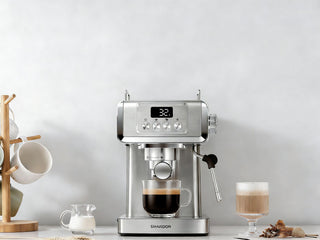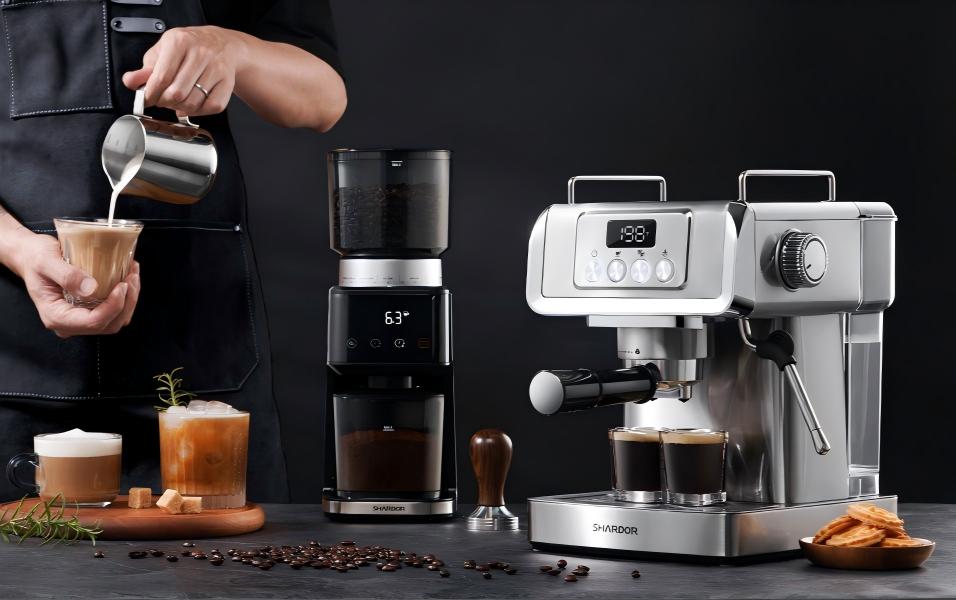
Your kitchen counter is about to become your favorite cafe. Moving from instant coffee to a real espresso machine transforms your morning routine into a craft. You do not need to be a professional to pull a rich shot with golden crema. Mastering the basics allows you to control the strength and flavor of your coffee every single day. Let's walk through the essential steps to turn those beans into liquid gold.
Basic Components of Your Espresso Machine
Every espresso machine relies on a few key parts to create enough pressure for brewing. Knowing these names makes following any recipe much easier. Below is a quick reference for the primary parts you will interact with during every brew session.
| Component | Main Function |
| Water Tank | Stores fresh water and feeds the internal boiler |
| Portafilter | The handle that holds coffee grounds during extraction |
| Filter Basket | A metal cup inside the portafilter that filters the liquid |
| Group Head | The attachment point where hot water meets the coffee |
| Steam Wand | A metal pipe used to heat and texture milk |
Familiarizing yourself with these hardware elements is the first step toward consistent coffee quality. If the group head is clogged with old oils, every shot from your espresso machine will taste burnt.
Preparation Steps Before Your First Espresso Machine Shot
Success starts long before you hit the brew button. Preparing your ingredients correctly ensures the espresso machine can do its job without any hiccups.

Step1: Grind the Coffee Beans
Achieve a texture similar to fine table salt. If the grind is too coarse, water will rush through too fast, and the coffee will taste sour and thin. If it is too fine, the espresso machine might struggle to push water through at all.
Step2: Fill the Filter Basket
Measure the right amount of coffee grounds into your basket. Most double filter baskets hold between eighteen and twenty grams of coffee. Level off the surface with your finger so the coffee sits evenly before you apply any pressure.
Step3: Tamp with Even Pressure
Use a tamper to press the coffee into a firm and flat puck. Apply enough force to remove any air pockets. This flat surface ensures the water from the espresso machine flows evenly through every grain instead of finding a fast way through a crack.
To see these steps in action, watch this Shardor Espresso 20 Operation Video:
Pro Tip for Beginners: If you are looking for a hassle-free start, the SHARDOR 20 Bar Espresso Machine is an excellent choice. It’s designed specifically for beginners, offering professional-grade pressure without the need for complex settings.
Detailed Guide to Start Your Espresso Machine Brew
Once your portafilter is locked in, the actual brewing process is the most critical stage. You must pay close attention to the timing, the sound of the pump, and the look of the liquid to get the best results from your espresso machine.
Prepare the Group Head
Clear out any old grounds by running a blank shot of hot water through the group head for five seconds before you attach the handle. This act also stabilizes the temperature of your espresso machine. Dry the inside of your filter basket thoroughly because moisture creates weak spots in the coffee puck.
- Lock the handle: Insert the portafilter into the group head with a firm twist to create a tight seal.
- Set your stage: Place your cup on a scale under the spouts and flip the brew switch immediately.
- Listen for the pump: For the first several seconds, the espresso machine will hum quietly during pre-infusion to soak the grounds.
Managing the Extraction
Flip the brew switch or press the button to start the pump. For the first four to seven seconds, you will hear the espresso machine humming, but nothing will come out of the spouts. This is normal. The espresso machine is filling the space above the coffee and pre-soaking the grounds.
Soon, a dark, syrupy stream should begin to drip steadily into your cup. The flow should look like warm honey or melted chocolate dripping from a spoon.
- The Early Stages: The first few drops are the most concentrated and contain the most oils and acids. They should be a deep, dark brown.
- The Middle Flow: As the shot continues, the stream will become slightly thinner, and the color will shift to a rich caramel or hazelnut shade.
- The Ending Stage: Toward the end of the thirty-second mark, the stream will begin to "vibrate" and turn a pale yellow color. This is called blonding.
Finish the Brew Cycle
Aim for a total brew time of twenty-five to thirty seconds to ensure a balanced flavor profile. If you stop the espresso machine too early, the coffee will taste sharp and salty. Letting the espresso machine run for forty seconds or more pulls out bitter, woody flavors that ruin the experience. Watch the surface of the coffee in your cup for a thick layer of crema, which is the reddish foam that traps the aromatics. Once you reach your desired volume or the time limit, flick the switch off immediately. The stream may drip for a brief moment as the internal pressure of the espresso machine releases into the drip tray.

Common Beginner Problems When Using an Espresso Machine
New users often face a few hurdles during their first few attempts. Most issues are related to how the coffee was prepared rather than a mechanical failure of the espresso machine.
Fast Extraction and Watery Flavor
If your coffee gushes out in under fifteen seconds, your grind is likely too coarse or your tamping was too light. This results in "under-extraction," where the water moves too quickly to pull out the necessary flavors, leaving the shot tasting sour and thin. To fix this, adjust your grinder to a finer setting and ensure you are applying firm, even pressure when tamping.
Slow Drips and Excessive Bitterness
When the flow is restricted to a few dark drops or takes much longer than thirty seconds, the coffee often develops a charcoal or burnt taste. This over-extraction is typically caused by coffee grounds that are too fine or a filter basket that is overfilled, leaving no room for the water to circulate properly. Try using a slightly coarser grind and double-check that you are using the recommended weight of grounds for your basket size.
Water Leaks Around the Portafilter
When brewing, water could sometimes spray out of the sides of the handle or leak over the top. This is generally because there is coffee grit on the rim of the portafilter that keeps it from sealing tightly against the group head. Before locking your basket into the espresso machine, make sure to always wash the edges. If the leak keeps happening after you've cleaned the rim, inspect the rubber gasket within the group head for wear as well.
FAQs about Espresso Machine Basics
Q1. Do I Need a Separate Grinder or Can I Buy Pre-Ground Coffee?
You really need a grinder. The coffee that comes already ground at the store is made for drip machines, and the coffee grounds are too big for espresso makers. Although the bag says "espresso roast," the grind size is still off. To get the most out of your machine, pairing it with a Burr Coffee Grinders is essential for a consistent, professional extraction.
Q2. Is It Normal for Nothing to Come Out for the First Few Seconds?
Completely normal. As soon as you press the brew button, the machine needs a moment to get hot and soak the coffee. The pump will be going, but you won't see any liquid right away. The water will spread more widely through the grounds before extraction starts, so this is a good thing. Don't rush through the first few seconds.
Q3. Can I Just Rinse the Portafilter or Does It Need Soap?
It's okay to rinse it off every day. Most of the work of getting rid of the coffee oils is done by hot water. Using dish soap can leave behind a residue that changes the taste of your next shot. After each use, rinse it well under hot water and then dry it off. Save the deep cleaning with real espresso detergent for once a month, not every time.
Q4. What Should I Do If My Coffee Tastes Burnt Even Though I Followed the Steps?
Look at the last time you cleaned your group head. No matter how good you are at making coffee, old coffee oils stuck up there will make everything taste burnt. Without the portafilter, run some water through it and observe what comes out. You have an issue if it's dark or has things floating in it. In most cases, a short scrub with a group head brush can cure it.
Start Your Home Barista Journey
Grab your favorite bag of beans and put these steps into action. Every great cup of coffee begins with a single shot. Your espresso machine is a powerful tool, and with a little practice, you will be making drinks that rival any local shop. Don't be afraid to make a few bad cups at first, as every mistake teaches you more about how your machine works. Experiment with different beans and enjoy the process of learning.