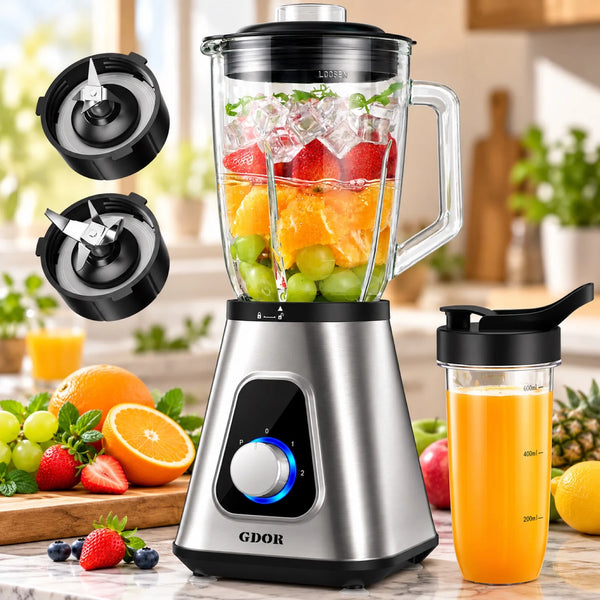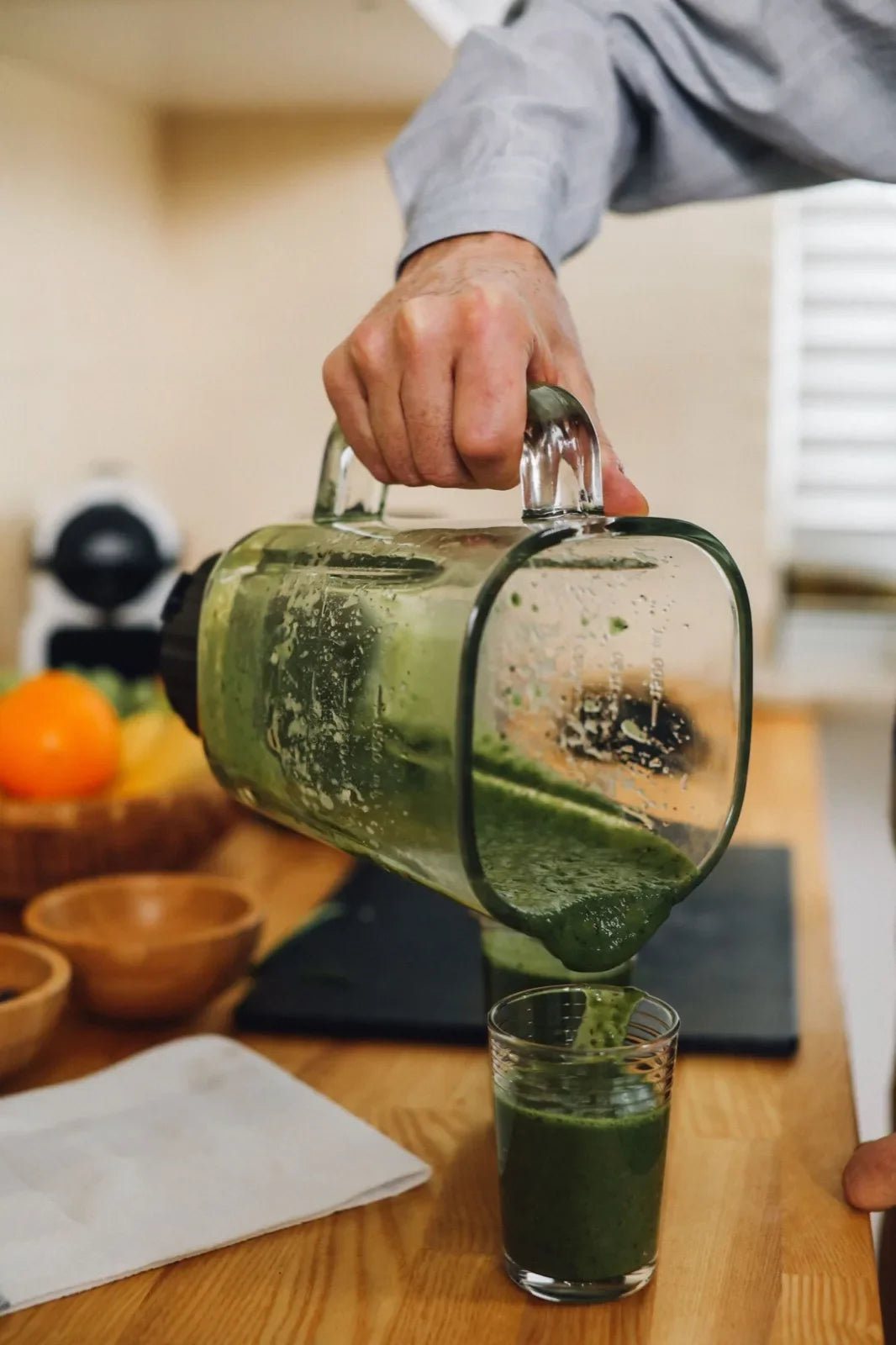
The practical difference in juicer vs blender comes down to what you want in the glass and what else you prepare in the kitchen. Choose a juicer when smooth juice with most of the pulp separated is the priority. Choose a blender for smoothies, protein shakes, sauces, and other recipes where the whole ingredients stay in the mixture. Cleanup and how often you use each function should help make the final decision.
Quick Takeaways
| What You Make Most | Better Fit |
|---|---|
| Smooth fruit or vegetable juice with less pulp | Juicer |
| Smoothies with whole fruit and greens | Blender |
| Protein shakes with fruit, oats, or nut butter | Blender |
| Sauces, purees, and blended food prep | Blender |
| Fresh juice several times a week | Juicer |
| Both juice and thick blended drinks regularly | Each appliance serves a different purpose |
Neither appliance needs to replace the other. The useful choice is the one that matches what you expect to make several times a week.
What Is the Practical Difference Between Juice and a Blended Drink?
A juicer separates liquid from much of the pulp, while a blender keeps the edible ingredients together in the finished drink. That difference changes texture, fiber content, thickness, and the types of ingredients you can easily include.
| Difference | Juicer | Blender |
|---|---|---|
| Finished texture | Thin, smooth, and more juice-like | Thicker and more filling |
| Pulp | Most pulp is separated | Pulp stays in the drink |
| Fiber | Much of the fiber leaves with the pulp | More of the edible fiber remains |
| Added liquid | Often unnecessary because juice is extracted from produce | Often needed to help ingredients blend |
| Best for | Fruit and vegetable juices | Smoothies, protein shakes, purees, and blended drinks |
| Ingredients such as yogurt, oats, or nut butter | Not suited to the extraction process | Can stay in the finished recipe |
The nutritional difference mainly comes from what happens to the pulp. During juicing, much of the fiber remains in the separated pulp, while blending keeps more of the edible fruit or vegetable in the finished drink. That does not make either method automatically healthier; they simply produce different results.
For everyday use, start with the texture and ingredients you actually want. If you prefer smooth vegetable or fruit juice with less pulp, a juicer fits that goal. If breakfast usually includes banana, yogurt, oats, greens, seeds, or protein powder, a blender keeps those ingredients together in a thicker drink.
When Does a Juicer Fit Your Daily Routine Better?
A juicer fits better when smooth fruit or vegetable juice is something you make regularly and you prefer most of the pulp separated from the drink. It is especially useful if you want juice to pour and drink like juice rather than having the thicker texture of a smoothie.
This works well for routines built around carrot, apple, celery, cucumber, citrus, or mixed vegetable juice. Because the machine extracts liquid directly from the produce, you usually do not need to add milk or water just to make the drink easier to pour.
If fresh juice is already part of your routine, a juicer can also make that habit easier to repeat because you do not need to blend the produce and strain it by hand afterward. Juicing can help increase fruit and vegetable intake, although whole produce still provides more of the fiber that is removed with the pulp. A juicer is therefore best viewed as a convenient way to prepare fresh juice, not as a replacement for eating whole fruits and vegetables.
Daily convenience depends heavily on prep and cleanup. A juicer with a wider feed chute can reduce how much chopping you do before juicing, while removable, easy-to-rinse parts make the filter, pulp container, and juice cup less time-consuming to clean afterward.
A juicer is less likely to earn regular counter space if fresh juice is only an occasional drink and most of your breakfast routine revolves around smoothies, protein shakes, or blended foods. In that case, a blender is more likely to handle a larger share of the tasks you actually repeat.

When Is a Blender More Useful Than a Juicer?
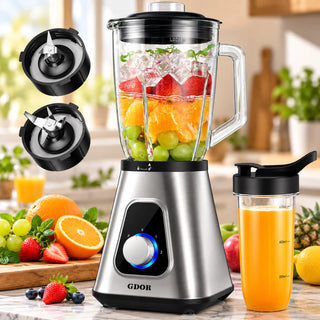
A blender is more useful when you want the ingredients to stay in the finished recipe or you need one appliance for drinks and food prep. Smoothies and protein shakes are the clearest examples, but the same appliance can also handle purees, sauces, dips, and many cold blended recipes.
For a basic protein powder and milk shake, the job is relatively simple. If your usual shake includes frozen banana, berries, ice, peanut butter, oats, or leafy greens, a countertop blender becomes more useful because it can process all of those ingredients into one texture. For someone looking for the best blender for protein shakes, handling the ingredients you actually add matters more than choosing the highest motor number on the box.
A protein-rich fruit smoothie is a good example: frozen fruit, protein powder, and milk are meant to stay together in the final drink, so separating pulp would work against the recipe.
A blender also has more range beyond drinks. You may use the same pitcher for a smoothie in the morning and a sauce or puree later in the day. If that versatility matters more than producing clear juice, the blender is likely to earn its counter space more often.
An immersion blender serves a slightly different role. It is convenient for blending soup, sauce, or puree directly in a pot or container, while a countertop blender is generally better suited to frozen fruit, ice, and larger smoothie or protein-shake recipes. If both hot food prep and smoothies are common in your kitchen, they solve different problems rather than being interchangeable versions of the same appliance.
How Do Prep Time and Cleanup Compare?
Blenders usually involve fewer food-contact parts, while juicers add a pulp-separation step that creates more components to rinse. However, design can narrow that difference considerably.
With a blender, prep often means adding liquid and ingredients to the jar, blending, then cleaning the jar, lid, and blade area. Thick ingredients such as nut butter, protein powder, or dried smoothie residue can still take extra rinsing, so blender cleanup is not always effortless.
A juicer typically adds a feed chute, filter or strainer, pulp container, juice container, and extraction components. The biggest practical habit is cleaning soon after use. Wet pulp is much easier to rinse away than material that has dried onto a fine filter.
Produce preparation matters too. A juicer with a narrow chute may require more cutting, while a wider opening can accept larger pieces. A blender may require less cutting for soft ingredients but still needs pieces small enough to circulate safely and evenly in the jar.
For either appliance, dishwasher-safe removable parts can matter more in daily life than a small difference in blending or juicing speed. If you make a drink every morning before work, five extra minutes of washing can influence whether the machine stays in regular use.
How to Choose Based on the Drinks and Foods You Actually Make
The best way to settle juicer vs blender is to list what you realistically make in a normal week. Choose around repeated tasks rather than an occasional recipe you might try once.
Juice-First Routines
A juicer fits better if your week includes several glasses of apple, carrot, celery, cucumber, citrus, or green vegetable juice and you prefer a smoother drink with the pulp separated.
It also makes sense if you currently blend produce and then strain it by hand to get a juice-like texture. A dedicated juicer performs that separation during extraction, removing the extra straining step from the routine.
Smoothies and Protein Shakes
Choose a blender if breakfast frequently includes frozen fruit, milk or plant milk, yogurt, protein powder, oats, nut butter, seeds, or greens. These ingredients are supposed to remain in the final drink, and a blender lets you adjust thickness by changing the amount of liquid.
A countertop model is also the more flexible choice when smoothies share kitchen duty with frozen drinks, sauces, and purees. Capacity should match whether you normally blend one personal shake or a larger batch for the household.
Everyday Cooking Beyond Drinks
A blender earns more use when your appliance needs to handle food as well as beverages. Sauces, dips, purees, and some soups expand its role beyond breakfast.
An immersion blender can be a useful companion when most of that cooking happens directly in a saucepan. If fresh juice is still a regular priority, however, neither a countertop nor immersion blender performs the same pulp-separation job as a juicer unless you add a separate straining step.
If your household genuinely makes both fresh juice and thick smoothies several times a week, owning both can make sense. Each appliance then has a clear job instead of asking one machine to imitate the other.

Make Everyday Prep Work Better for You
The juicer vs blender decision becomes much easier once you focus on what you make most often. A juicer fits a routine built around smooth fruit and vegetable juices, while a blender offers more flexibility for smoothies, protein shakes, sauces, and other recipes that keep the ingredients together.
Also consider what happens after the drink is made. Prep time, cleanup, counter space, and how often you expect to use the appliance all affect its long-term value. The better fit is the one that makes your regular drinks and food prep easier to repeat.
FAQs About Juicers and Blenders
Q1. Can You Use a Blender Instead of a Juicer?
Yes, but the result is different. A blender keeps the pulp and fiber in the mixture, so you will get a thicker drink unless you add liquid and strain it afterward. A juicer performs that separation during extraction.
Q2. Can a Juicer Make Smoothies?
A standard juicer is designed to extract liquid and separate pulp, so it does not make a traditional smoothie. Smoothies normally need a blender because fruit, vegetables, milk, yogurt, protein powder, and other ingredients remain together in the finished drink.
Q3. Is Juicing Better Than Blending?
Neither method is automatically better for every routine. Juicing produces a smoother extracted drink but removes much of the fiber with the pulp, while blending retains the edible ingredients and produces a thicker result. Choose based on the drink you want and how it fits into your overall diet.
Q4. Is an Immersion Blender Better Than a Regular Blender?
An immersion blender is especially convenient for soups, sauces, and purees that can be blended directly in a pot or container. A countertop blender is usually the better fit for smoothies, frozen fruit, ice, and larger blended drinks, so the better option depends on the food you prepare most.
Q5. What Type of Blender Is Best for Protein Shakes?
For protein powder mixed mainly with milk or water, many countertop or personal blenders can handle the job. If you regularly add frozen fruit, ice, greens, oats, or nut butter, look for a blender that can keep those heavier ingredients circulating smoothly and has a capacity that fits your normal serving size.