A glass blender is a good fit if you want a clear jar that resists odors and stains and feels stable on the counter. A plastic jar is lighter, so it can be easier to lift and pour from during daily use. Both can work well for smoothies and meal prep. The better choice depends on what you blend, how often you move the pitcher, and how you prefer to clean it.
Quick Takeaways
A blender with a glass jar and one with a plastic jar can both handle everyday blending. The jar material mainly changes the weight, cleaning experience, and how the pitcher feels in your hands.
| Everyday Use | Glass Jar | Plastic Jar |
|---|---|---|
| Weight | Heavier and stable | Lighter to lift |
| Odors and stains | Resists them well | May need faster rinsing after strong colors or smells |
| Visibility | Stays clear and easy to see through | Can become scratched or cloudy over time |
| Everyday handling | Solid feel on the counter | Easy to carry and pour |
| Smoothies and sauces | Good fit | Good fit |
| Ice and frozen fruit | Check the blender's rated use | Check the blender's rated use |
| Cleanup | Smooth surface is easy to rinse | Lightweight and easy to handle at the sink |

What Changes in Daily Use With a Glass or Plastic Blender Jar?
The biggest difference is how the pitcher feels during normal use. Glass has more weight and a solid feel on the counter, while plastic is lighter when you carry a full pitcher or pour several servings.
For someone who keeps the blender on the counter and makes one family smoothie each morning, the extra weight of glass may not matter much. It can even help the pitcher feel steady while you add ingredients or pour from it.
Plastic can be more comfortable if you move the jar often. This may matter if you carry a full pitcher to the dining table, store the blender in a cabinet after every use, or make several small batches throughout the day.
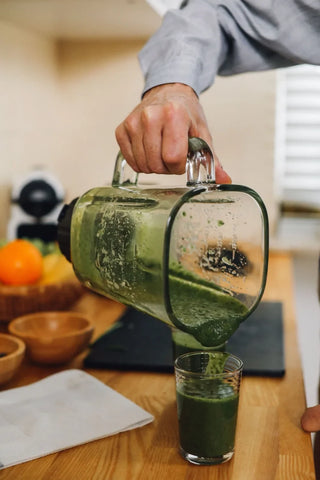
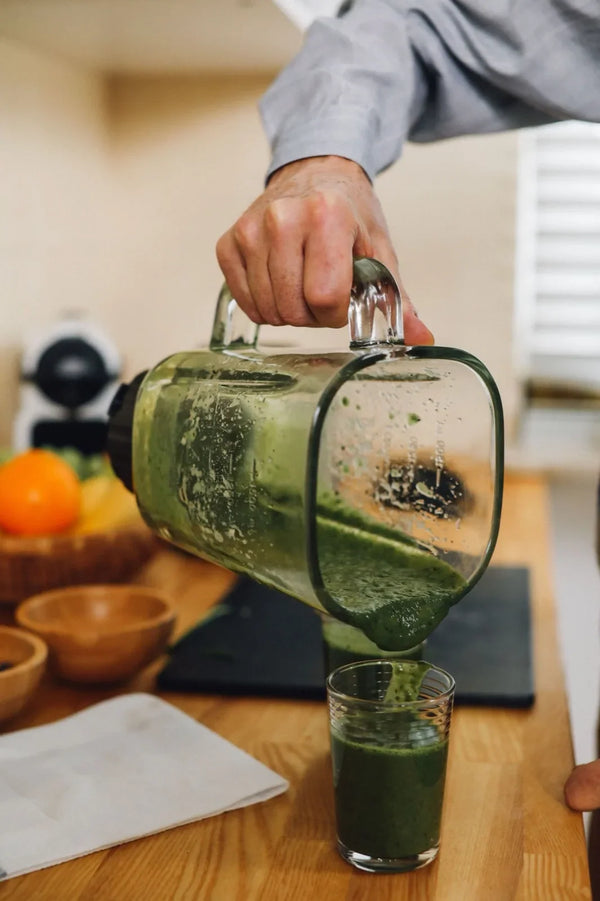
Glass also stays easy to see through and handles strongly colored foods well. If you move from a berry smoothie in the morning to tomato sauce or a green puree later, a clear glass jar can be useful because you can easily see the texture and amount left inside.
Which Jar Is Easier to Keep Clean After Smoothies and Sauces?
Both materials can be easy to clean, but they have different strengths. Glass resists many food odors and stains, while a lighter plastic jar can be easier to move around the sink.
After Smoothies and Protein Shakes
Banana, berries, greens, protein powder, oats, and nut butter can leave a thick layer around the pitcher and blade area. Rinsing soon after blending keeps that residue from drying and makes cleanup much faster.
One simple method is to rinse the jar, add warm water and a small amount of dish soap, then briefly run the blender if the product instructions allow it. Penn State Extension includes a similar quick blender-cleaning method for residue that collects around the blades.
Blade access matters as much as jar material. If thick smoothie residue gets trapped below the blade assembly, a removable design can make that area easier to reach.
After Sauces and Strongly Colored Foods
Glass can be especially useful when one blender handles both drinks and meal prep. Tomato sauce, berries, greens, garlic, herbs, and spices can leave strong colors or smells behind, so a jar that stays clear and neutral between recipes is convenient.
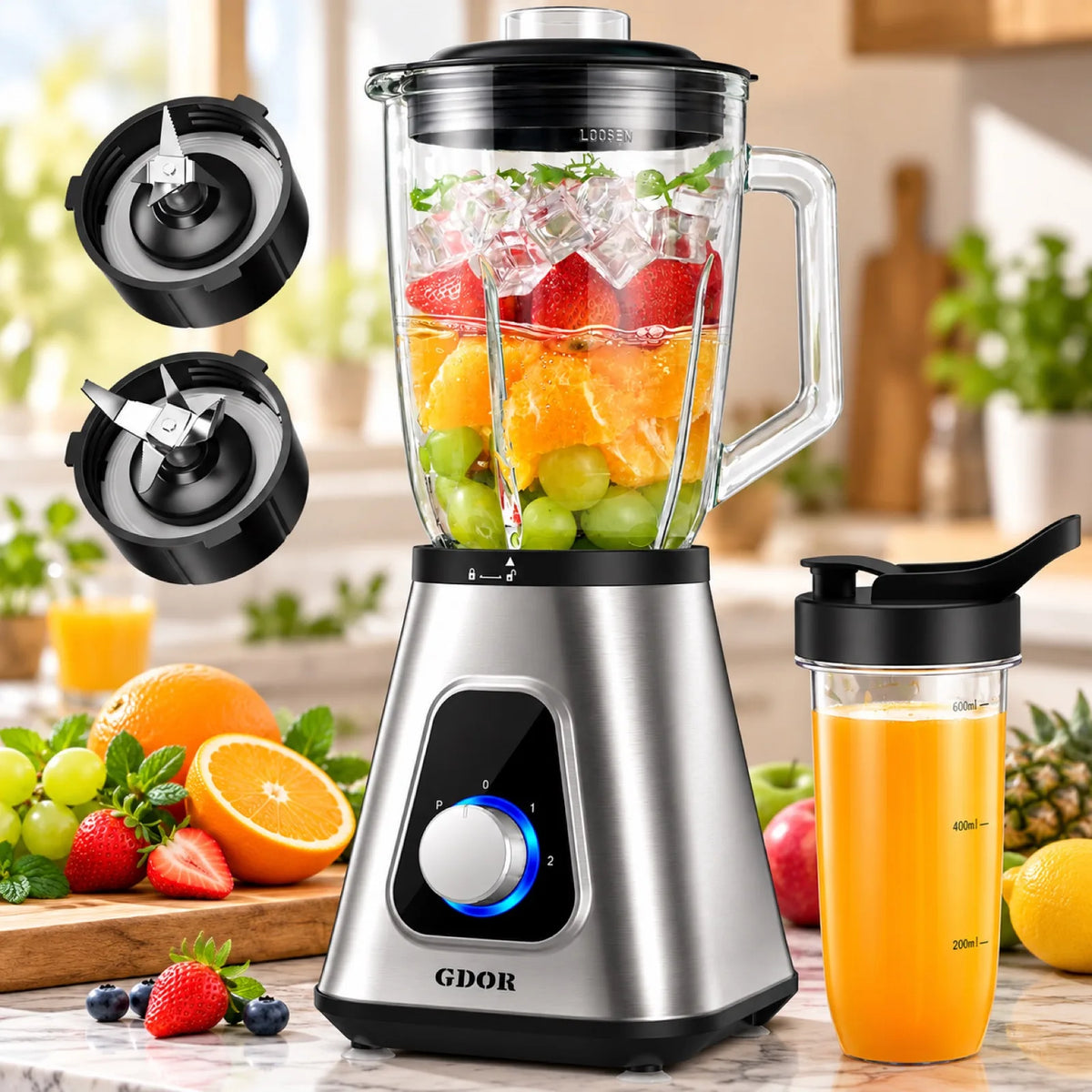
For example, a family might make a large berry smoothie before school or work, then use the blender again for sauce at dinner. The SHARDOR 52 oz glass jar blender gives that routine enough room for a shared batch, while its removable blade and dishwasher-safe glass jar make it easier to clean before the next recipe.
With any blender, follow the cleaning instructions for the specific model. The jar, lid, gasket, and blade assembly may have different dishwasher or hand-washing requirements.
How Do Weight and Everyday Handling Differ?
Glass is heavier, while plastic is easier to lift with one hand. The difference becomes more noticeable with a large pitcher filled with several servings of smoothie.
If the blender stays in one spot and you usually pour directly from the counter, a glass jar can feel solid and stable. This works well for family batches where the pitcher does not need to move far.
Plastic may be more comfortable if the blender is stored after every use or if several people in the household handle it. A lighter jar takes less effort to move from a cabinet to the counter and back again.
Glass simply needs normal care around hard countertops and sinks. Avoid knocking the rim against hard surfaces, and replace any jar that develops visible damage rather than continuing to use it.
Plastic should also be used according to the manufacturer's instructions, especially for temperature and food-contact use. In the United States, food-contact materials are evaluated for their intended conditions of use, so it is more useful to check the specific product instructions than to assume one jar material is automatically safer than another.
What Should You Consider When Blending Ice or Frozen Ingredients?
Check whether the blender is designed for ice and frozen fruit instead of judging by the jar material alone. A glass or plastic pitcher can both work with frozen ingredients when the blender is built for that task.
Frozen fruit and ice put more load on the whole blending system. Blade design, motor performance, ingredient order, and the amount of liquid all affect how easily the ingredients circulate.
When making a smoothie with frozen berries or banana, adding enough liquid can help the ingredients move through the blades instead of sitting in one frozen mass. Penn State Extension also notes that dense or frozen produce may need more liquid to blend smoothly.
With a glass pitcher, use the blender within its stated temperature and ingredient limits. Avoid sudden temperature changes unless the manual says the jar is designed for them, especially if you use the same appliance for frozen drinks and warm meal prep.
The same rule applies to plastic jars. Frozen-fruit performance depends on the blender's design, not simply whether the pitcher is made from glass or plastic.
Which Blender Jar Material Better Fits Your Kitchen Routine?
Think about the jobs your blender does most often. The better jar is the one that feels easy to use for those repeated tasks, not the one that wins every possible comparison.
Glass Fits Multi-Use Kitchen Routines
A glass jar works especially well when the blender stays on the counter and moves between smoothies, sauces, dips, and family-size recipes. Resistance to odors and stains can be useful when sweet and savory foods share the same pitcher.
A larger glass pitcher can also suit households that blend several servings at once. If breakfast often means smoothies for two or three people, capacity and easy cleanup may matter more than having the lightest possible container.
Recipes with berries, leafy greens, and other strongly colored ingredients are a good example. A fruit-and-greens smoothie can leave plenty of color and residue behind, so a clear jar that is easy to rinse can make the next use simpler.
Plastic Fits Lighter, More Mobile Routines
Plastic works well when low weight matters more. It can be convenient for a person who makes a smaller protein shake, carries the pitcher around the kitchen, or stores the blender after every use.
It can also suit households where several people use the appliance and easy handling is a priority. Prompt rinsing after berries, tomato, spices, or other strongly colored foods helps keep the container looking clean over time.
A blender with glass pitcher may be the better match for one kitchen, while a lightweight plastic model may fit another just as well. Capacity, cleaning access, frozen-food performance, and how often you move the jar should make the final decision.
Make Everyday Blending Easier
A glass blender fits well when you want a clear, stable pitcher that handles smoothies, sauces, and other everyday recipes without easily holding odors or stains. Plastic is a practical alternative when lighter handling is higher on your list.
Focus on the routine you repeat several times a week. A jar that is comfortable to use, easy to clean, large enough for your normal batch, and matched to the foods you blend will matter more than the material name by itself.

FAQs About Glass and Plastic Blenders
Q1. Is a Glass Blender Better Than a Plastic Blender?
Not for every kitchen. Glass is useful for stain and odor resistance and has a solid feel, while plastic is lighter and easier to move. Your normal recipes and handling habits should decide which is more convenient.
Q2. Can You Crush Ice in a Glass Blender?
Yes, if the specific blender is designed for crushing ice. Check the product instructions because blade design, motor performance, jar construction, and ingredient loading all affect frozen-food use.
Q3. Does a Glass Blender Jar Hold Food Smells?
Glass is generally resistant to lingering food odors. This can be useful when the same blender moves between smoothies, sauces, dips, and other strongly flavored recipes.
Q4. Are Glass Blender Jars Dishwasher-Safe?
Some are, but cleaning instructions differ by model. Check whether the jar, lid, blade assembly, and gasket are approved for dishwasher use before placing them inside.
Q5. Is a Glass Blender Too Heavy for Everyday Smoothies?
It depends on the jar size and how often you move it. If the blender stays on the counter, the added weight may matter very little; if you carry a full pitcher often, jar weight deserves more attention.