Yes. You can make good iced coffee in a regular drip coffee maker without buying another machine. The main mistake is brewing coffee at your normal hot-coffee strength and then adding a large amount of ice. As that ice melts, it adds extra water. Brew a stronger base, control how much ice melts, and decide whether you want to chill the coffee first or brew it directly over ice.
Can You Make Good Iced Coffee With a Regular Drip Coffee Maker?
Yes. A regular drip brewer can make iced coffee as long as you adjust the recipe for the ice. You do not need a special cold-brewing system just because you want the finished drink cold.
A drip coffee maker still uses hot water to extract the coffee. The difference comes after brewing. You either make the coffee stronger so it can handle some dilution, or cool it before serving so less ice melts into the drink.
This makes a regular brewer practical for summer mornings when you already have one on the counter and do not want another appliance. The same machine can make a hot pot one day and an iced drink the next by changing the amount of coffee, water, and ice.
A dedicated hot and iced coffee maker can automate some of those changes if iced coffee becomes part of your daily routine, but it is not required. The basic goal is the same: make sure the coffee is concentrated enough before the ice adds more water.
Why Does Hot Coffee Taste Watery After You Pour It Over Ice?
The ice is adding water to coffee that was already brewed at its normal drinking strength. Hot coffee melts the first layer of ice quickly, so the total amount of water in the glass rises while the amount of dissolved coffee stays the same.
For example, imagine brewing 12 oz of normal hot coffee and pouring it over several ounces of ice. If 3–4 oz of that ice melts, you now have roughly 15–16 oz of liquid but the same amount of coffee flavor that was meant for 12 oz.
This is why simply adding more ice does not always solve the problem. More ice can chill the drink faster and may leave more cubes intact, but any ice that melts still becomes part of the finished recipe.
Temperature can also change how coffee tastes. Research on coffee flavor at different serving temperatures found that many aroma, flavor, taste, and mouthfeel attributes changed as brewed coffee cooled. A cold cup may therefore taste different from the same coffee served hot even when dilution is controlled.
That makes it useful to separate two issues. If the drink tastes thin because too much ice melted, fix the ratio. If it tastes balanced but simply different when cold, temperature itself may be changing how you perceive the coffee.
Should You Brew Coffee Stronger When Making Iced Coffee?
Yes, if the hot coffee will meet ice before you drink it. Brewing slightly stronger leaves room for some ice to melt without making the final drink taste flat.
A standard reference for drip coffee is about 55 grams of coffee per liter of brewing water. For iced coffee, you can move stronger than your normal hot-coffee recipe or reduce the amount of hot water that passes through the grounds.
You do not need to double the coffee automatically. Start with a moderate change and taste the finished drink after some ice has melted. For example:
| Normal Hot Brew | Iced Version to Test |
|---|---|
| 20 g coffee + 360 g water | 20 g coffee + about 280–300 g hot water, then ice |
| 30 g coffee + 540 g water | 30 g coffee + about 400–450 g hot water, then ice |
The exact amount depends on how much ice you use and how strong you like your coffee. The important idea is that hot water plus melted ice together make up the final water in the drink.
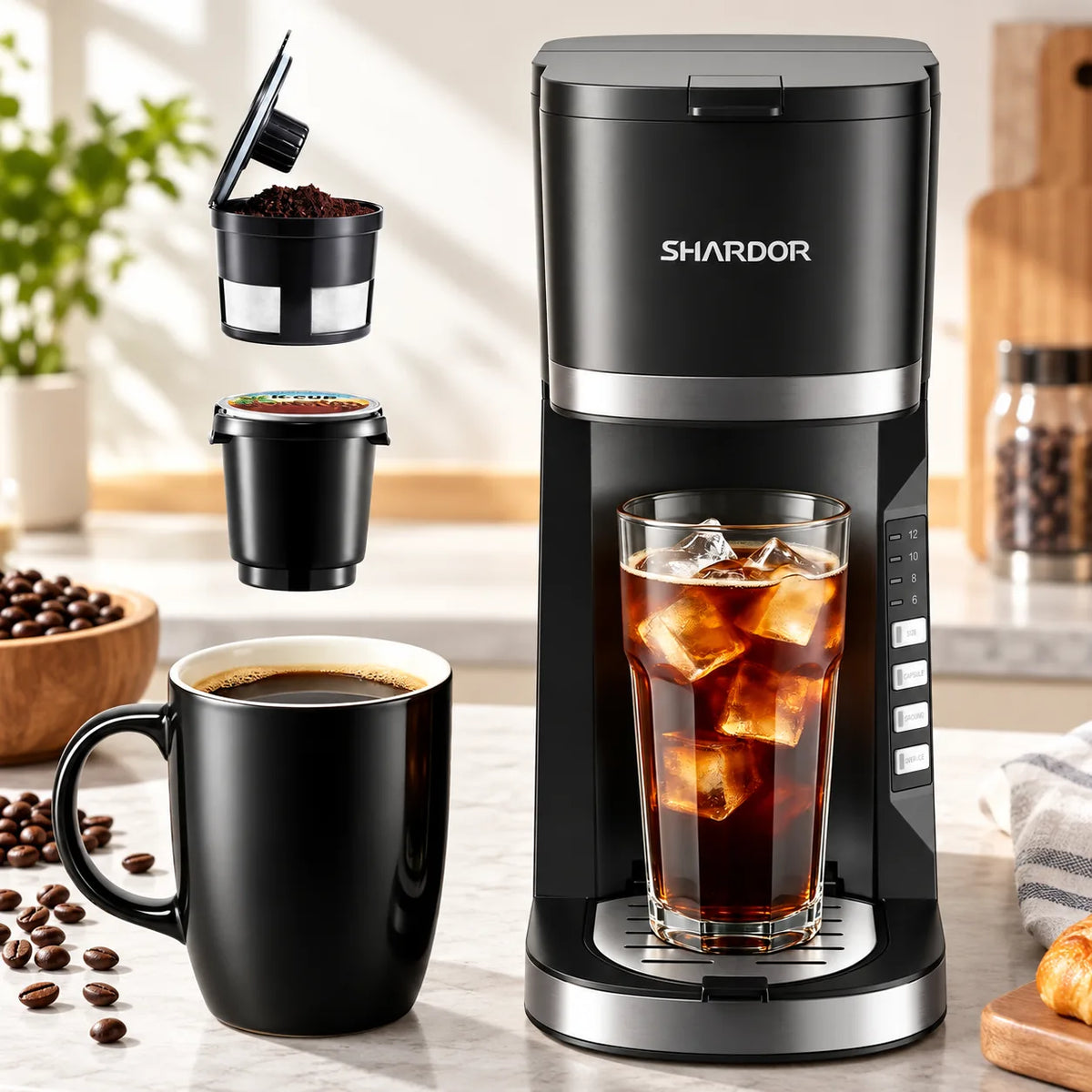
If your drip machine has a strength setting, that can make the adjustment easier. For example, the 10-Cup Coffee Maker lets you switch between regular and bold brewing. On a hot summer morning, using the stronger setting with a smaller batch can give you a better base for ice without changing machines or rebuilding your whole coffee routine.
Keep the grind and beans the same while testing the stronger recipe. If you change dose, water, grind, and roast at the same time, it becomes much harder to tell what fixed the watery taste.

Brew Over Ice or Cool It First: Which Method Works Better?
Both methods work. Brewing over ice is faster, while cooling first gives you more control over dilution. The better choice depends on when you want to drink the coffee.
Brewing Directly Over Ice
This method works well when you want iced coffee right away. Put a measured amount of ice in the carafe or serving glass, then brew a smaller amount of stronger hot coffee so the melting ice becomes part of the planned water.
The key word is planned. Do not brew your normal full water volume and then add ice on top of it. Use less hot water because some of the final water will come from the ice.
This method cools the coffee quickly and keeps the routine simple. It is especially useful for one or two servings when you do not want to wait for a pot to chill in the refrigerator.
Cooling the Coffee First
Cooling first works better when you prepare coffee ahead of time or want very little immediate ice melt. Brew the coffee slightly stronger than usual, let it cool, then refrigerate it in a covered container.
When you are ready to drink it, pour the cold coffee over fresh ice. Because the coffee is already chilled, the ice does not have to absorb as much heat and usually melts more slowly at the start.
This method is convenient if you make a batch the night before for a commute or several morning servings. It also makes it easier to add milk or creamer without trying to cool a hot drink at the same time.
How to Make Iced Coffee With a Regular Coffee Maker Step by Step
You can make iced coffee in a regular coffee maker with the equipment already in most kitchens. Start with one simple recipe, then adjust the strength after tasting the finished drink.
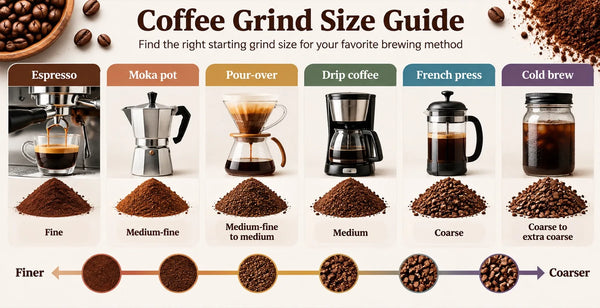
- Use fresh coffee and a normal drip grind. Do not change to an espresso-fine grind just because you want stronger coffee. Strength is easier to control with the coffee-to-water ratio.
- Use a little more coffee or less brew water. If you normally use 20 grams of coffee for a hot mug, keep the same coffee and reduce the hot water enough to leave room for ice.
- Prepare plenty of ice. For direct-over-ice brewing, measure the ice as part of the final drink rather than treating it as an unlimited extra ingredient.
- Brew the coffee. Use a bold or strong mode if your machine offers one and it works well with your normal beans.
- Cool it quickly. Brew over measured ice for an immediate drink, or let the coffee cool and refrigerate it for later.
- Pour over fresh ice if needed. If the first ice has mostly melted during cooling, fresh cubes can keep the drink cold without forcing you to drink a glass full of half-melted ice.
- Taste before adding milk or syrup. Make sure the coffee itself is strong enough first. Milk, creamer, or sweetener will change the balance again.
Once you find a recipe you like, write down the coffee amount, brew-water amount, and approximate ice amount. A repeatable recipe is much easier than guessing with a different handful of ice every morning.
Keep Iced Coffee Strong From the First Sip to the Last
You do not need a new machine to make iced coffee at home. A normal drip brewer works well when you brew with the ice in mind instead of treating it as something added after the recipe is finished. Make the coffee slightly stronger, control the amount of water and ice, and pick the cooling method that fits your morning. If you eventually want one machine that handles both temperatures with fewer manual adjustments, a hot and cold coffee maker can add convenience, but the same dilution rules still matter.
FAQs About Making Iced Coffee in a Regular Coffee Maker
Q1. Can You Make Iced Coffee With a Regular Coffee Maker?
Yes. Brew a stronger batch than you would for hot coffee, then either cool it before serving or brew it over a measured amount of ice. A regular drip machine is enough for both methods.
Q2. How Do You Keep Iced Coffee From Getting Watery?
Do not start with normal-strength hot coffee and then add a large amount of melting ice. Use a stronger coffee base, cold ingredients, and enough ice to chill the drink quickly without letting melted ice dominate the final volume.
Q3. Should You Let Hot Coffee Cool Before Adding Ice?
You can, and cooling it first usually reduces immediate ice melt. If you want to drink it right away, brewing stronger coffee directly over a planned amount of ice also works.
Q4. Can You Put Ice in a Coffee Maker Carafe?
Only do this if the carafe and manufacturer instructions allow it. Sudden temperature changes can be a concern with some glass carafes, so using a separate heat-safe container or glass is the safer option when you are unsure.
Q5. Do You Need a Hot and Iced Coffee Maker for Iced Coffee?
No. A regular drip brewer can make iced coffee if you adjust the brew strength and account for dilution from ice. A dedicated hot-and-iced model mainly makes those changes more automatic and convenient for people who switch between hot and cold coffee often.