A watery iced latte usually comes from one of three things: the espresso base is too weak, there is too much milk for the amount of espresso, or melting ice adds more water than the drink can handle. When making an iced latte with an espresso machine, start with a balanced double shot, cold milk, and enough ice to chill the drink quickly. Fix the ratio before trying to make the espresso itself stronger through longer extraction.
Why Does an Iced Latte Taste Watery Even With Fresh Espresso?
Fresh espresso can still taste weak once milk and melted ice are added. An espresso that tastes balanced on its own may lose definition when several ounces of milk and additional water from melting ice increase the total drink volume.
The most common causes are straightforward:
- The espresso shot is already thin. A fast or underdeveloped extraction gives you a weak base before milk or ice is added.
- There is too much milk. Increasing milk without adding more espresso lowers the coffee intensity.
- The drink starts with too little ice. A few cubes can melt quickly as they absorb heat, adding water while providing less lasting cooling.
- The espresso is pulled too long. Extending a shot to make “more coffee” adds water to the espresso rather than creating a stronger latte.
- The drink sits for too long. Even a well-balanced iced latte becomes more diluted as the ice continues to melt.
Start by tasting the espresso before assembling the drink. If the shot already tastes thin or sour, correct the extraction first. If it tastes balanced but disappears once the latte is assembled, adjust the espresso-to-milk ratio or the way you manage the ice.
How Do Ice and Milk Change the Strength of an Espresso Shot?
Milk and ice do not make the espresso extraction weaker, but they reduce how concentrated the coffee tastes in the finished drink. Milk increases total volume and softens espresso's intensity, while melted ice adds plain water.
Temperature also changes how coffee flavors are perceived. A sensory study on coffee temperature found that the perceived intensity of multiple aroma, flavor, taste, and mouthfeel attributes changed as brewed coffee cooled. That helps explain why the same espresso can seem different once it becomes part of a cold drink.
For a home iced latte, a practical starting point is a double espresso with roughly 5–6 fl oz of cold milk, served over a generous amount of ice. Treat that as a baseline rather than a fixed recipe. If the coffee disappears behind the milk, reduce the milk slightly or add another properly extracted shot rather than letting the original shot run longer.
Ice size also affects how quickly dilution happens. Larger cubes generally expose less surface area relative to their volume than many small pieces, so they tend to melt more slowly. A cold glass and refrigerator-cold milk can also reduce how much work the ice has to do to bring the drink down to serving temperature.
How to Make an Iced Latte With an Espresso Machine: Step by Step
The easiest way to make a stronger-tasting iced latte is to build the drink around a balanced espresso shot rather than trying to compensate afterward. Keep the first recipe simple so you can tell which adjustment improves the next glass.
- Prepare a double espresso. Use a dose and grind that already produce a balanced shot rather than pulling extra water through the coffee.
- Fill a glass generously with ice. Use enough ice to chill the drink quickly rather than relying on only a few cubes that disappear early.
- Add about 5–6 fl oz of cold milk. This gives you a useful starting point for a double shot without immediately overwhelming the coffee.
- Pour in the fresh espresso. Stir the drink so the espresso, milk, and chilled portion are evenly combined before judging the strength.
- Taste before adding anything else. If it is too milky, reduce the milk next time. If both the straight espresso and the finished drink taste weak, adjust the espresso extraction first.
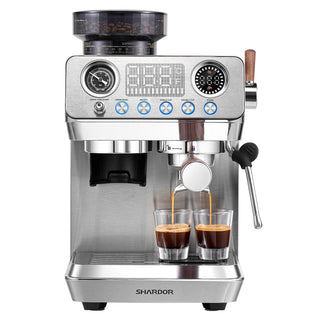
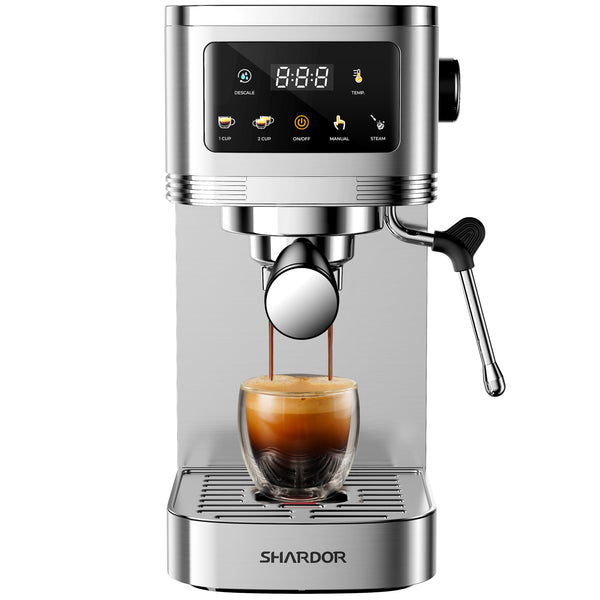
You do not need specialized cold-brewing equipment for this workflow. A home SHARDOR 20 Bar Espresso Machine can prepare the espresso base directly before it is combined with cold milk and ice, while single- and double-shot options make it easier to match the coffee base to the drink size you are making.
Once you find a combination you like, keep the glass size, milk amount, espresso dose, and ice level reasonably consistent. That makes the next adjustment much easier than changing everything from one drink to the next.
Should You Cool Espresso Before Pouring It Over Ice?
You do not have to cool espresso completely before making an iced latte. Fresh hot espresso can be combined with cold milk and ice, but lowering the temperature of the other ingredients helps limit rapid ice melt.
If dilution is already a problem, use milk straight from the refrigerator and a chilled glass if convenient. You can also let the espresso sit briefly while you prepare the glass rather than pouring it immediately onto a small amount of ice.
Cooling espresso for a long period is not necessary for a normal iced latte. The better fix is usually to make sure the drink starts with a concentrated, balanced shot and enough cold ingredients to bring its temperature down quickly.
If you prefer preparing espresso ahead of time, keep in mind that the flavor will not be identical to a freshly pulled shot. For most everyday home iced lattes, the small time saved by pre-chilling is less important than getting the espresso, milk, and ice proportions right.
What Order Should You Add Espresso, Milk, and Ice?
For an easy home routine, add ice and cold milk to the glass first, then pour in the espresso and stir. This order gives the hot espresso a larger cold mixture to enter rather than asking a small amount of ice to absorb all of its heat at once.
Order does not fix an incorrect recipe by itself. If you use too much milk or start with a weak shot, changing which ingredient enters the glass first will not suddenly create a stronger latte.
The main advantage is consistency. You can fill the glass with the same amount of ice, measure the same milk volume, and then add a fresh double shot on top. After stirring, taste the fully combined drink rather than judging the dark espresso layer at the top.
If you prefer the layered look of espresso over white milk, this method also gives you that appearance before stirring. The visual effect is optional; the final balance still comes from the ingredient amounts.
How Can You Keep Espresso Flavor Strong Without Overextracting the Shot?
Do not make an iced latte stronger by simply pulling more water through the same coffee puck. A longer shot increases beverage volume, but it can also push the extraction toward harsher flavors without giving you the concentrated coffee base the drink needs. If the latte tastes weak, adjust the drink in this order:
- Taste the espresso first. If the shot itself tastes thin or underdeveloped, adjust the grind or dose before changing the latte recipe.
- Reduce the milk slightly. A smaller milk volume can make the espresso more noticeable without changing the extraction.
- Use more espresso for a larger drink. A double shot is usually more effective than stretching one shot with extra water.
- Limit unnecessary dilution. Use cold milk and enough ice to chill the drink quickly, then serve it before too much ice melts.
- Keep the recipe consistent. Measuring the espresso and milk while dialing in makes it easier to see which change actually improved the drink.
The UC Davis Coffee Center's work on the Coffee Brewing Control Chart highlights the relationship between beverage strength and extraction. For an iced latte, the goal is a properly extracted espresso with enough concentration to remain noticeable after milk and ice are added.
A balanced iced latte also starts with the right base ratio. Getting the espresso coffee-to-water ratio right helps you control shot strength before the rest of the drink is built. Once the espresso tastes balanced on its own, adjusting the milk amount is a cleaner way to change the final strength than pulling a longer shot.
Keep the Espresso Strong and the Recipe Simple
A good espresso machine iced latte starts with balanced espresso, not with less ice or a longer shot. Use a double shot as a practical base, keep the milk cold, use enough ice to chill the drink efficiently, and reduce milk before trying to extract more water through the coffee.
Once you find a ratio that keeps the espresso noticeable after stirring, repeat it. A consistent espresso base and measured milk will do more for a flavorful iced latte than changing several variables every time you make one.
FAQs
Q1. How Many Shots of Espresso Should You Use in an Iced Latte?
A double shot is a practical starting point for many home iced lattes, especially when the drink contains several ounces of milk. For a smaller glass, a single shot may be enough, while a larger milk-heavy drink may need more espresso to keep the coffee flavor noticeable.
Q2. Do You Need to Froth Milk for an Iced Latte?
No. A standard iced latte can be made with cold milk straight from the refrigerator, which also helps keep the drink cold without adding heat that the ice must absorb. Cold foam is optional if you want a different texture on top.
Q3. Can You Pour Hot Espresso Directly Into an Iced Latte?
Yes. Fresh espresso can go directly into a glass containing cold milk and ice. Using sufficiently cold ingredients and enough ice helps control immediate dilution.
Q4. Why Does My Homemade Iced Latte Taste Weaker Than a Coffee Shop Latte?
The most common reasons are too much milk, a weak espresso shot, or a drink size that is too large for the amount of espresso used. Start with a balanced double shot and a measured amount of milk, then adjust one of those two amounts before changing other ingredients.
Q5. Is an Iced Latte Stronger Than Iced Coffee?
Not necessarily. An iced latte uses concentrated espresso but also contains a substantial amount of milk, while iced coffee is brewed differently and may use much less milk. Perceived strength depends on the coffee-to-liquid ratio and recipe rather than the drink name alone.