The best affordable espresso machine is not simply the cheapest one that can pull a shot. On a limited budget, prioritize the drinks you make most, leave room for a capable grinder if you use whole beans, and pay for controls and convenience features you will actually use. A simple machine paired with the right setup can make more sense than spending the entire budget on extra functions that rarely affect your morning coffee.
Start With the Espresso Drinks You Actually Make at Home
Your usual drink should decide which machine features deserve the most money. Someone drinking straight espresso has different priorities from someone making two lattes every morning.
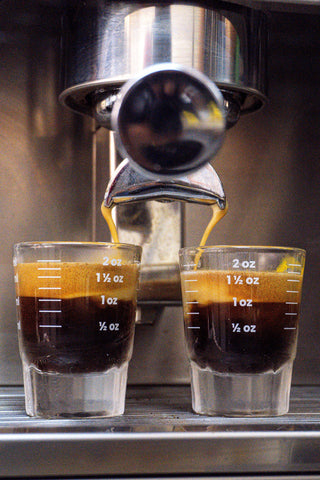
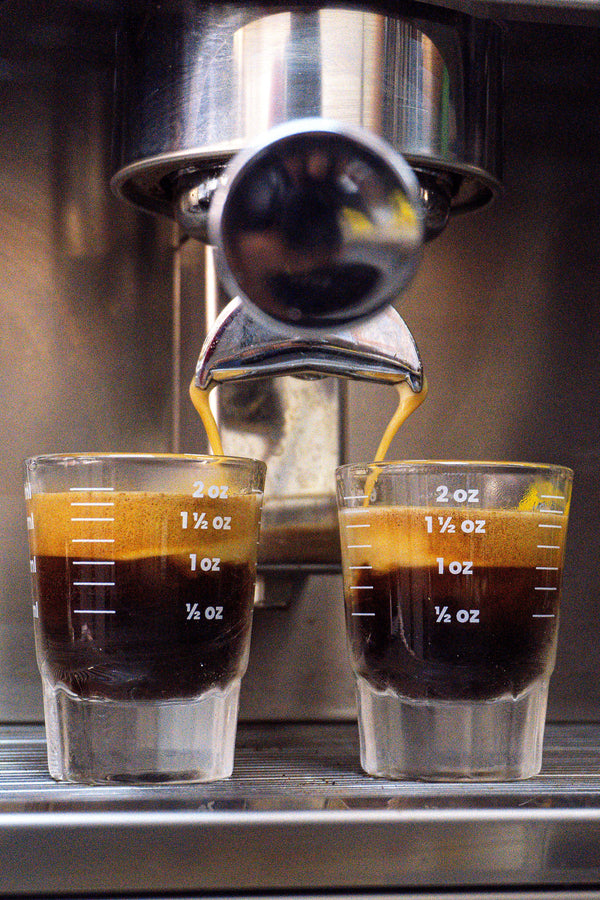
For espresso and Americanos, focus first on repeatable brewing, useful shot controls, and a setup that works with your grinder. A steam system matters less if milk rarely enters the cup.
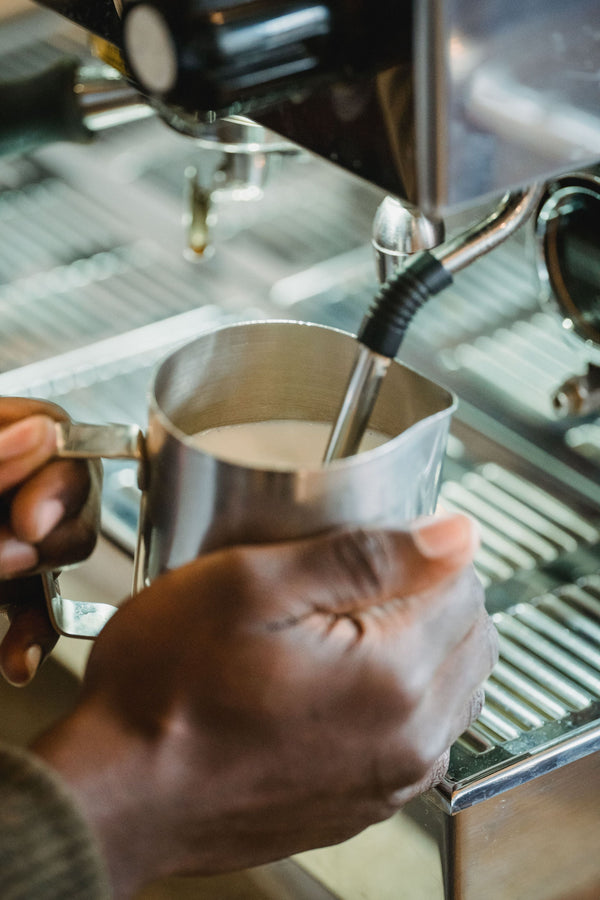
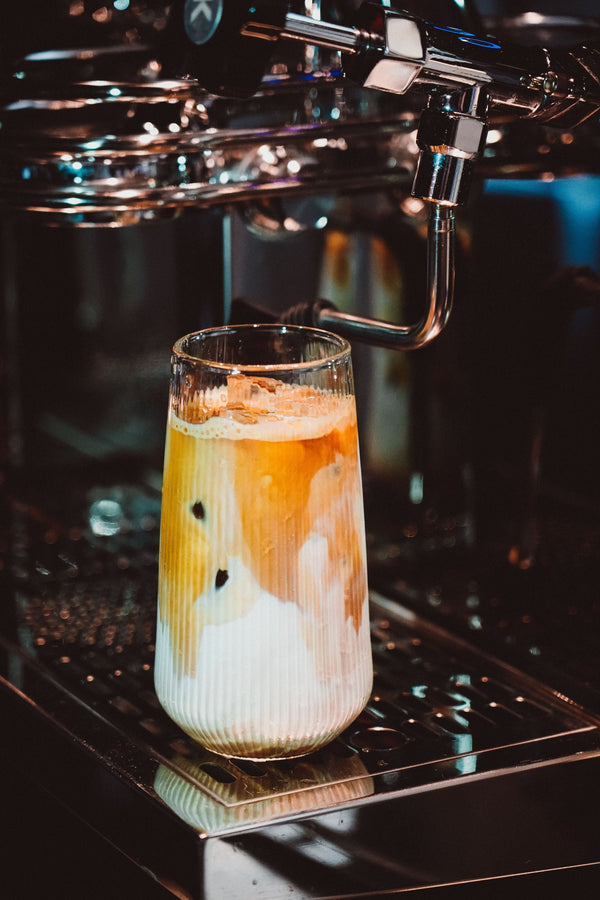
For lattes, cappuccinos, and flat whites, the steam wand becomes part of the everyday workflow. Saving a little money on a machine without a milk system may not feel like a bargain if you immediately need to buy another appliance to prepare the drinks you actually wanted.
Drink frequency matters too. If you make espresso once or twice on weekends, you may not need automated dosing, a large water tank, or elaborate controls. If two people make several drinks before work, faster operation, easier refilling, and simple cleanup become much more valuable.
A budget friendly espresso machine should therefore cover your normal week first. Occasional experiments should not drive the majority of the purchase price.
How Should You Divide a Limited Budget Between the Machine and Grinder?
If you plan to use whole beans, treat the grinder as part of the espresso setup rather than whatever is left in the budget after buying the machine. Espresso needs fine, repeatable adjustments, so a capable machine cannot fully compensate for a grinder that makes large jumps between settings.
Small grind changes can materially change how an espresso shot behaves. Adjusting dose, grind, and extraction level changes brew strength and extraction, which can shift the balance of sweetness, bitterness, and other flavors in the cup. In controlled espresso tests, a higher share of fine particles reduced coffee-bed permeability, slowing the flow and extending extraction time.
That is why a budget setup still needs a grinder with small, repeatable adjustments. If each setting jump is too large, one step may run too fast while the next runs too slowly, making it harder to dial in the same beans consistently.
How much of the budget goes to each piece depends on what you already own:
- Starting from scratch with whole beans: Leave enough room for an espresso-capable grinder rather than spending nearly everything on the machine.
- Already have a suitable grinder: Put more of the budget toward the machine, steam performance, water capacity, or controls you will use regularly.
- Mostly use pre-ground coffee: Grinder cost becomes less immediate, so more of the starting budget can stay with the espresso machine.
- Plan to upgrade gradually: Prioritize a grinder and machine that each handle your current routine well instead of paying now for features you may never use.
A good grinder does not need to dominate the total budget, but it should let you return to a useful setting and make small corrections when needed. Building more repeatable espresso grind adjustments into the setup gives you a stronger foundation for dialing in each shot. Once your grinding needs are covered, features such as shot presets, temperature controls, and easier cleaning can add useful convenience to the daily routine.
For a budget-conscious buyer, the machine and grinder should work as a pair. Once both can handle the basic espresso workflow reliably, any remaining budget can go toward milk steaming, faster heating, easier cleaning, or other conveniences that match the drinks you make most.
Which Espresso Controls Matter Most for Everyday Use?
Prioritize the controls you are most likely to use in your normal espresso routine. Single- and double-shot options make everyday brewing more repeatable, while manual controls can give you more flexibility when you want to adjust the amount in the cup.
Single- and double-shot controls are useful because they match drinks you are likely to make every day. A manual mode can also be valuable if you want more control over the amount of espresso in the cup rather than relying entirely on a preset volume.
Temperature adjustment can be worthwhile for someone who regularly changes beans or wants more room to fine-tune flavor. For a household using the same medium or dark roast most weeks, however, a straightforward temperature system may already cover the routine well.
Pump pressure is one part of the overall espresso system. Grind, dose, water temperature, puck preparation, and extraction controls also work together to shape the result in the cup.
Milk-drink users should place the steam system higher on the list. If you make cappuccinos or lattes several times a week, a controllable steam wand deserves a higher place on your priority list. Shot presets, temperature settings, and touchscreen controls can then add convenience depending on how much automation you want in the daily workflow.
The same principle applies across every control: prioritize the ones connected directly to a drink you already make.
When Are Convenience Features Worth Paying More For?
Convenience features earn their cost when they remove friction from something you do repeatedly. A feature that saves time every morning has more value than one that looks impressive during setup but is rarely used again.
Consider a household where someone makes a latte before work most mornings. Single- and double-shot controls reduce repeated setup, a steam wand keeps milk preparation on the same machine, and removable water and drip components make the post-coffee cleanup easier.
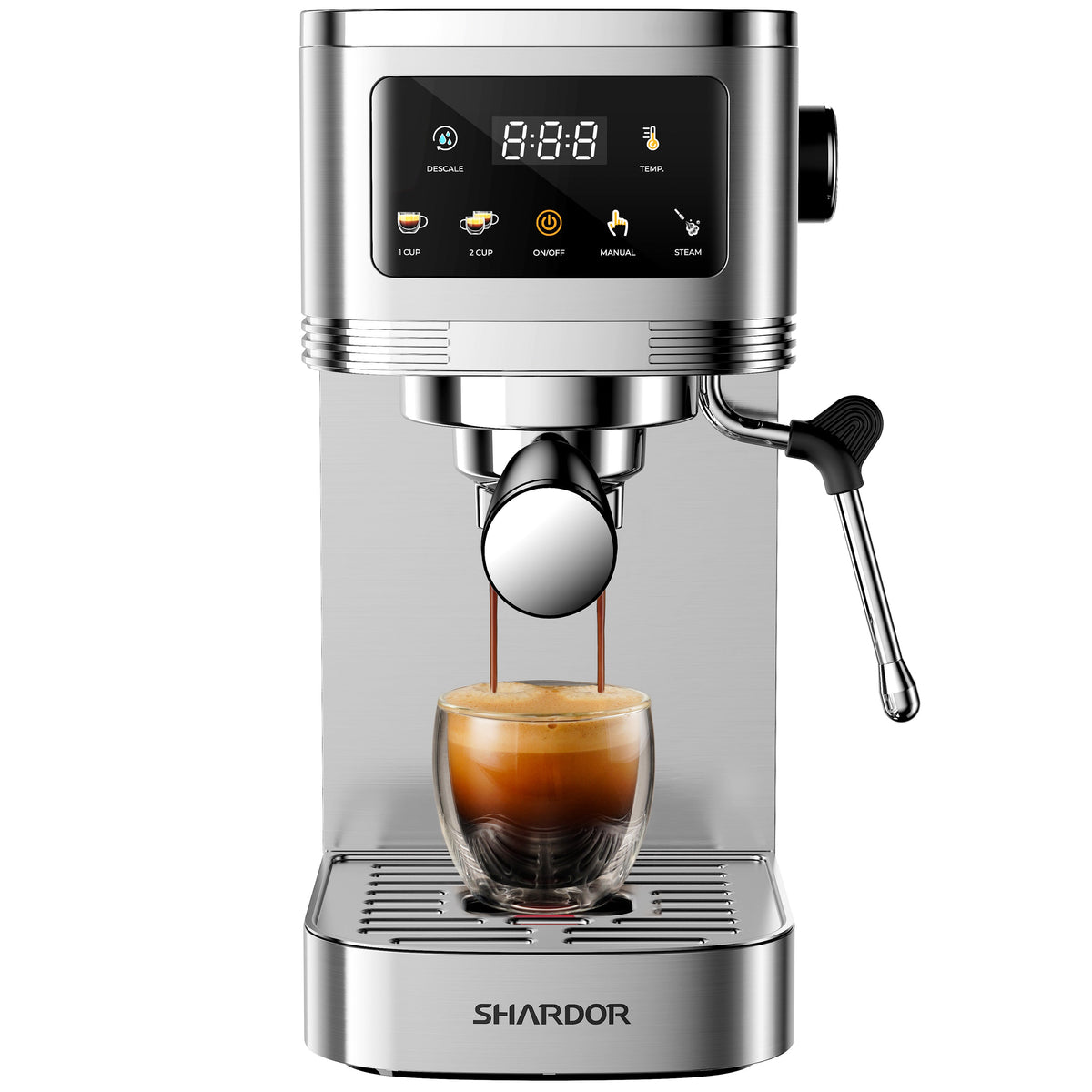
The SHARDOR 20 Bar Espresso Machine with Touchscreen Adjustable fits that kind of budget-conscious routine. Its shot controls and adjustable steam function cover common espresso and milk drinks, while the removable water tank, detachable drip tray, and one-touch descaling make routine maintenance easier without turning cleaning features into a separate premium upgrade.
Other convenience features should be judged the same way.
A larger water tank is useful if several people make drinks back to back. It matters much less for one weekend espresso.
Fast heating can be valuable when coffee has to fit into a rushed morning. Someone who enjoys a slower weekend routine may barely notice the difference.
Automatic shutoff is convenient for an appliance that stays on the kitchen counter every day. A cup warmer may be pleasant, but it should come after the brewing and milk features you rely on regularly.
Easy cleaning deserves particular attention because it affects long-term use. Removable tanks, accessible drip trays, and straightforward descaling can save more frustration over several years than an extra drink preset.
How to Avoid Paying for Features Your Coffee Routine Does Not Need
Compare every added feature with a task you actually perform. If you cannot connect it to your regular coffee routine, it should have less influence on the purchase.
This quick check can help keep a limited budget focused:
| Feature | Worth Prioritizing When... | Lower Priority When... |
|---|---|---|
| Steam wand | You regularly make lattes or cappuccinos | You mainly drink straight espresso |
| Fine grinder adjustment | You buy whole beans and dial in espresso | You already own a suitable grinder |
| Temperature control | You change coffees and like adjusting extraction | You prefer a simple repeatable setup |
| Larger water tank | Several drinks are made back to back | You make one occasional shot |
| Fast heating | Coffee is part of a busy morning | Brewing speed rarely matters |
| Removable drip tray/tank | The machine is used frequently | Use is occasional |
| Multiple drink presets | You want more automated preparation | You mainly make one or two drinks |
| Built-in grinder | You want one integrated setup | You already own a grinder you like |
Pay particular attention to features that duplicate equipment you already have. A built-in grinder may offer excellent convenience when starting from scratch, but it can add less value if a capable grinder is already sitting beside the machine. The same applies to automated milk functions if you already prefer manual steaming.
Accessories can also consume part of the budget. A scale, milk pitcher, tamper, fresh beans, cleaning supplies, and eventually replacement parts all contribute to the real cost of a home espresso setup. Leaving a little room for the things you will actually use is often more practical than spending the full amount on the machine itself.
A best low cost espresso machine should not feel inexpensive only on checkout day. It should fit the rest of the setup without immediately creating a list of missing essentials.
Get More Value From the Features You Use Every Day
The best affordable espresso machine is the one that directs your limited budget toward the drinks and tasks that repeat most often. Start with your espresso and milk-drink habits, account for the grinder, then prioritize useful shot controls, manageable cleanup, and convenience features that genuinely save time.
Affordable does not have to mean stripped down, and more features do not automatically create better value. A well-matched setup that you can use comfortably every day is a better target than either the cheapest machine or the longest specification list.
FAQs
Q1. How Much Should You Spend on a Home Espresso Machine?
Spend enough to cover the brewing and milk features you regularly need while leaving room for a suitable grinder and basic accessories. The total setup cost is more useful than judging the espresso machine price by itself.
Q2. Are Affordable Espresso Machines Worth It?
Yes, when the machine matches your normal drinks and offers a practical daily workflow. An affordable model does not need every premium feature to make espresso, Americanos, lattes, or cappuccinos at home.
Q3. Do You Need an Expensive Grinder for a Budget Espresso Machine?
You need a grinder capable of sufficiently fine and repeatable adjustment if you want to dial in whole-bean espresso. It does not need to be the most expensive model, but the grinder should suit espresso rather than forcing large jumps between settings.
Q4. Is a Steam Wand Worth Paying For on an Affordable Espresso Machine?
Yes, if lattes, cappuccinos, or flat whites are part of your regular routine. If you mainly drink straight espresso or Americanos, you may get more value by prioritizing other features instead.
Q5. What Features Should a Budget Espresso Machine Have?
Start with reliable espresso brewing, controls you can use repeatedly, and a steam wand if you make milk drinks. After that, consider features such as a removable water tank, detachable drip tray, fast heating, temperature adjustment, and simple descaling according to how often they would improve your daily routine.