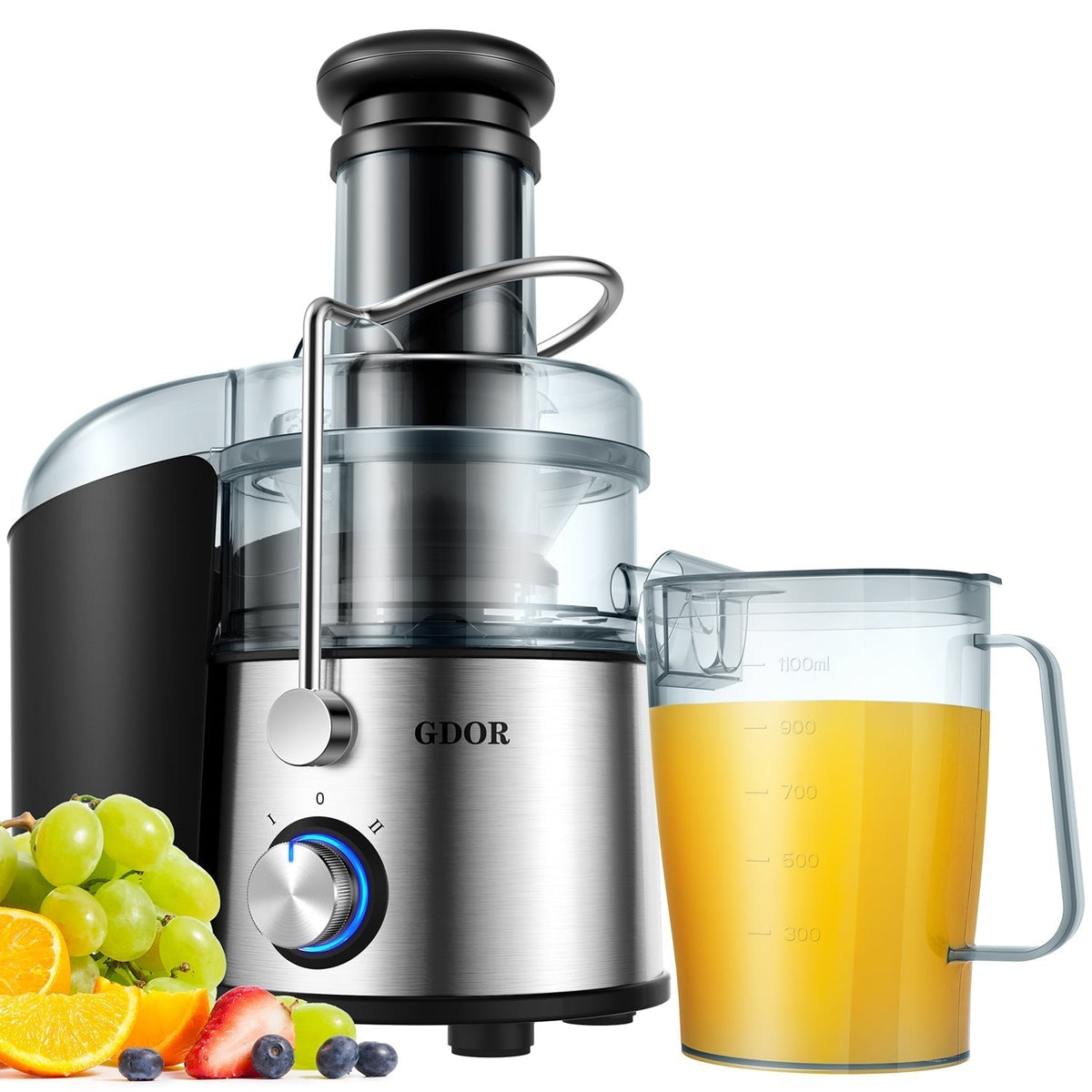
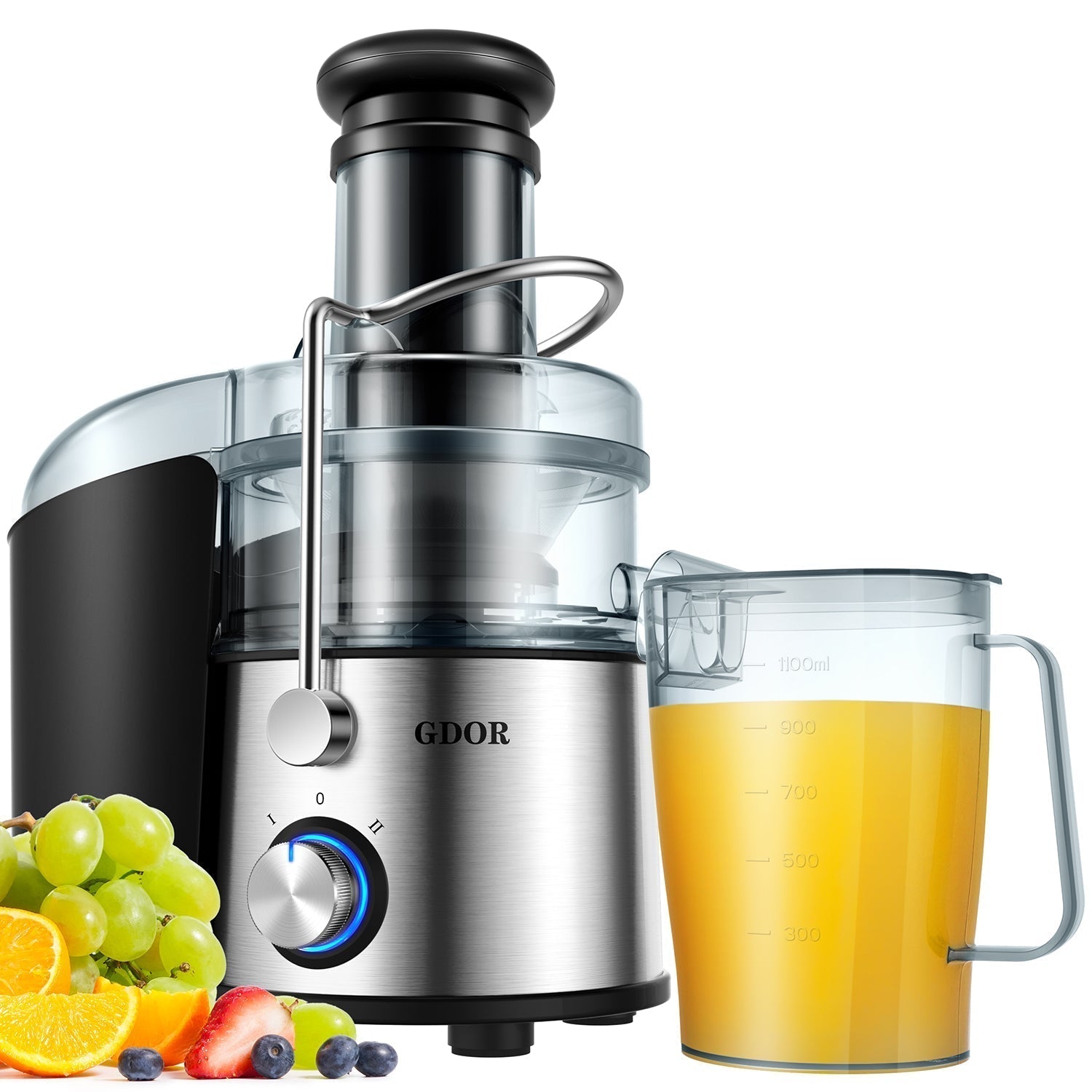
Nothing ruins a fresh glass of morning green juice faster than the sight of crusty, day-old pulp stuck in your machine. Beyond the unappealing smell, lingering fruit sugars and vegetable fibers create a breeding ground for bacteria and mold. Keeping your electric juicer spotless ensures that every glass remains nutritious and tastes exactly as nature intended. Whether you are a daily wellness enthusiast or a weekend hobbyist, mastering a fast and effective cleaning routine will save your machine and your health.
Importance of Cleaning Your Electric Juicer After Every Use
Leaving your machine on the counter to soak in its own residue is a common mistake that leads to permanent damage. Fresh produce carries natural yeasts and soil-borne microbes that multiply rapidly in moist internal chambers once cell walls are broken. When organic matter dries, it acts like cement, making it nearly impossible to remove without aggressive scrubbing that might scratch the surfaces. Rinsing the electric juicer right away flushes out these tiny particles and prevents unwanted flavor transfer between different juice recipes.
Quick Daily Methods for an Easy-to-Clean Juicer
The secret to an easy-to-clean juicer is speed. Treating the cleanup as part of the juicing process itself allows you to finish the entire task in under five minutes.
The following table highlights the essential tools you should keep by your kitchen sink to make the process smoother.

| Tool Name | Primary Purpose |
| Soft Nylon Brush | Cleans the delicate mesh holes without tearing the metal |
| Microfiber Cloth | Absorbs water quickly without leaving lint behind |
| Natural Dish Soap | Breaks down oily residue from fruits like citrus or avocado |
Having these items ready prevents you from reaching for abrasive metal scrubbers that could ruin the smooth finish of your machine.
- Unplug the power cord immediately to ensure safety before handling any internal parts.
- Carry all removable components to the sink at once to minimize trips across the kitchen.
- Rinse every piece under warm running water to flush out loose pulp before it dries.
- Scrub the mesh filter quickly with a soft brush to prevent fibers from hardening in the holes.
- Wipe the exterior motorized base with a damp microfiber cloth to remove sticky splashes.
By following these simple steps, you prevent the need for heavy chemicals or long soaking sessions later in the week.
Detailed Steps to Deep Clean Your Juicer
A best cold press juicer, also known as a masticating juicer (a machine that slowly crushes produce to extract liquid), requires extra attention due to its complex parts. These machines use an auger, which is a large, screw-like component that rotates slowly to squeeze out the juice.
Because a cold-press machine operates at low speeds, the pulp is often pressed very tightly into the internal parts. Follow these steps to ensure a thorough deep clean:
- Disassemble the entire unit by removing the hopper, auger, and juicing screen.
- Soak the removable parts in a basin of warm water mixed with mild dish soap for ten minutes.
- Reach into the hollow center of the auger using a narrow pipe cleaner to remove trapped buildup.
- Brush the silicone seals and gaskets gently to lift any hidden biofilm or oily residue.
- Inspect the juice spout for any small blockages that might restrict flow during your next use.
- Sanitize the components once a month by dipping them in a diluted vinegar solution to kill lingering microbes.
The housing of the electric juicer should never be submerged in water because it contains the motor. Focus your deep cleaning efforts on the transparent plastic parts that come into direct contact with the ingredients. If you notice a cloudy film, it is likely mineral buildup from your tap water or the produce itself.
Effective Ways to Remove Stubborn Stains From an Electric Juicer
Even with regular rinsing, certain vegetables like carrots, beets, and turmeric will eventually stain the plastic components of your electric juicer. These bright pigments are fat-soluble, meaning water alone usually cannot wash them away.
You do not need harsh chemicals to restore your machine. Use these effective ways to lift deep-set stains:
- Apply a thick paste made of baking soda and water to the stained areas and let it sit for fifteen minutes.
- Rub a small amount of vegetable oil or coconut oil onto the dry plastic to dissolve fat-soluble pigments.
- Submerge discolored parts in a mixture of one part lemon juice to three parts water to utilize the natural bleaching power of citric acid.
- Scrub the plastic surfaces with a soft sponge to lift the loosened stains without causing scratches.
- Wash the parts with standard soap afterward to remove any oily residue left behind by the treatment.
Using these methods regularly keeps your machine looking new and prevents the plastic from becoming permanently cloudy.

Proper Drying and Reassembling of Your Electric Juicer Parts
The final stage of the process is often the most overlooked, yet it is vital for the longevity of your equipment. Putting a machine back together while the parts are still damp can lead to trapped moisture, which causes unpleasant odors and may eventually damage the motor.
Lay a clean, dry towel on your counter and place all components separately so air can circulate around them. Avoid stacking the wet pieces, as this traps water in the junctions.
- Check the mesh filter against a light source to ensure every hole is clear.
- Wait until every piece is completely dry to the touch before reattaching them to the base.
- Store the machine in a well-ventilated area rather than a cramped, dark cupboard.
Once everything is dry, reassemble the electric juicer carefully. Ensure the locking arm or safety clips click into place firmly. This habit ensures the machine is ready for immediate use, keeping your kitchen workflow efficient and hygienic.
Start Your Next Healthy Habit
A clean machine ensures every glass of juice is safe, vibrant, and delicious. By rinsing immediately and performing weekly deep cleans, you protect your investment and your health. Consistency is the secret to making this routine feel effortless.
FAQsabout Juicer Cleaning and Care
Q1. Can I Put All Electric Juicer Parts in the Dishwasher?
No, you should not use your dishwasher to clean most of the more complex components. High temperatures can warp the plastic casing and dull the sharp grinding disks. Harsh detergents can also damage the delicate silicone seals. Hand-washing is much safer and helps your juicer last much longer.
Q2. How Often Should I Deep Clean My Best Cold Press Juicer?
Deep cleaning should be done at least once every week if the appliance is being used daily. Although rinsing the appliance after every use will suffice, the process of soaking the appliance every week will help eliminate the mineral residue and the layer of oils that have built up on the auger and the seals inside the appliance. Failure to carry out this cleaning process may lead to the formation of residue that will cause the motor to slow down and also create a dull finish on the plastic part of the appliance.
Q3. Is It Possible to Fix a Clogged Filter in an Electric Juicer?
Yes, you can definitely unblock the clog by immersing the filter in a solution of water and white vinegar for about thirty minutes. This helps to dissolve the calcium and fiber residue that gets lodged in the holes, hence ensuring that the amount of juice extracted returns to normal. If the clog in the filter is stubborn, you should use the toothbrush to scrub the mesh while immersed in the soaking liquid. This helps to ensure that you extract the maximum amount of goodness out of your vegetables.
Q4. Does Using an Easy-to-Clean Juicer Require Special Soap?
No, a regular mild dish soap is more than enough to wash your equipment. Do not use any kind of cleaner that contains strong fragrances or bleach. These can be retained by the plastic and will give your juice a bad flavor next time. Natural soap is usually preferred because of its ability to be washed off completely and the fact that it doesn’t leave any kind of residue that can react with the citrus juice.