Brewing the same drip coffee every morning eventually feels mechanical, producing a cup that fuels the day but delivers no pleasure. A coffee milk frother is a handheld or electric device that forces air into milk, transforming it into foam or velvety microfoam in under two minutes. This article covers the science behind frothing, five drinks you can make at home, a step-by-step latte technique, and a side-by-side method comparison.
What a Coffee Milk Frother Actually Does to Your Drink
Most people underestimate a coffee milk frother’s mechanical effect on flavor and texture. Understanding the science behind frothing explains why the same coffee bean tastes dramatically different once milk is properly transformed.
- Frothing forces air into milk, causing whey proteins to unfold and trap millions of small bubbles while fat molecules migrate to bubble surfaces and stabilize the foam structure; whole milk’s approximately 8 grams of protein per cup explains why it consistently outperforms low-protein alternatives in foam stability.
- Heat converts lactose into simpler sugars (glucose and galactose), which is why frothed milk tastes noticeably sweeter than cold milk poured directly from a carton.
- Microfoam consists of tiny, uniform bubbles with a glossy, paint-like surface ideal for latte-style drinks, while thick foam carries larger bubbles and a pillow-like body that defines cappuccino-style drinks; lower speed and longer frothing time produce microfoam, while higher speed and shorter bursts build thick foam.
- Cold milk (2 to 4°C / 35 to 40°F) froths best because tighter protein structures capture more air before heat begins to denature them; the optimal serving temperature is 60 to 65°C (140 to 150°F).
- Most quality electric frothers include temperature controls that let you stay within the optimal window for your preferred drink.
A coffee milk frother does not merely add foam; it restructures milk at a molecular level to change sweetness, texture, and mouthfeel. Bubble size, protein behavior, and temperature are what separate a café-quality drink from plain coffee with milk poured in.
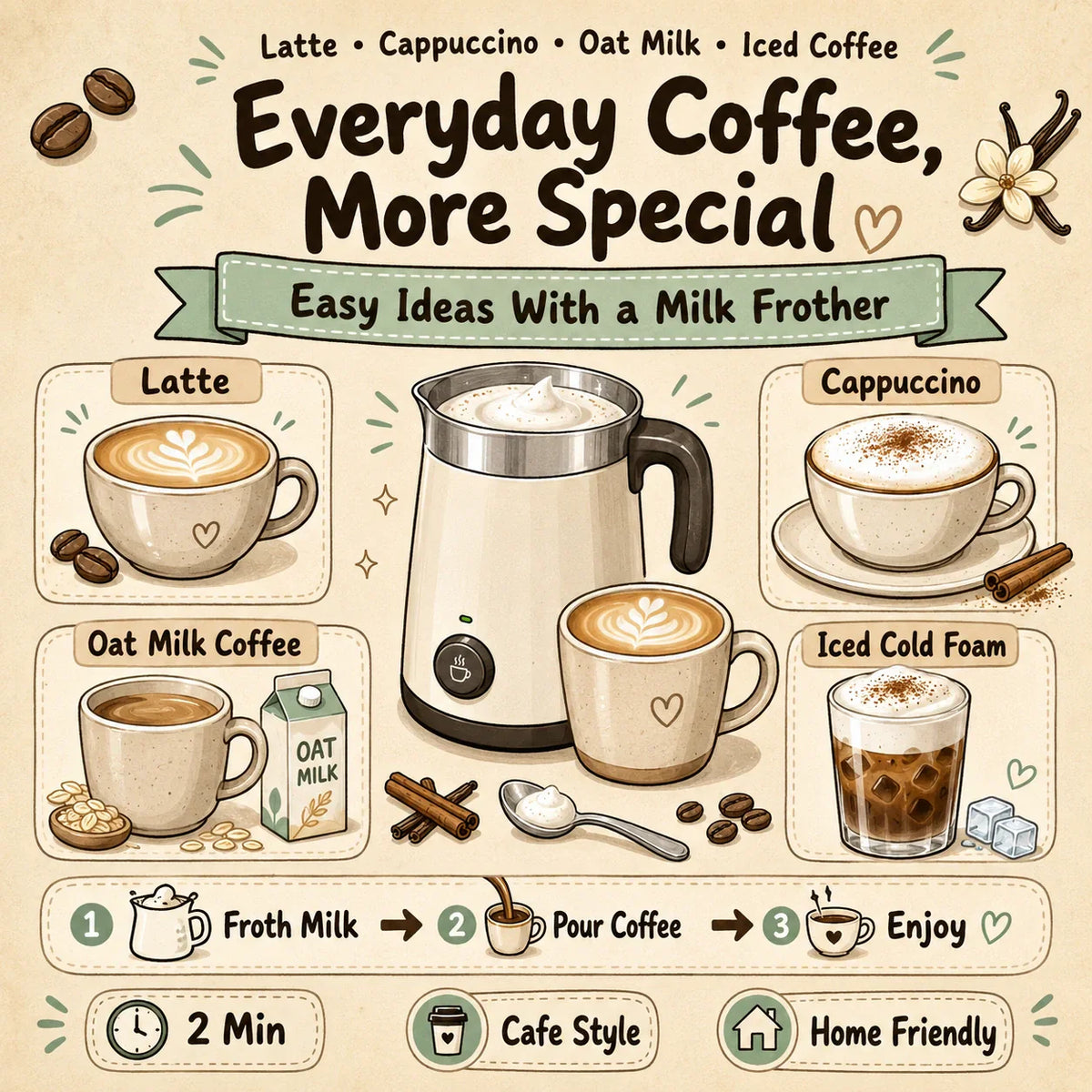
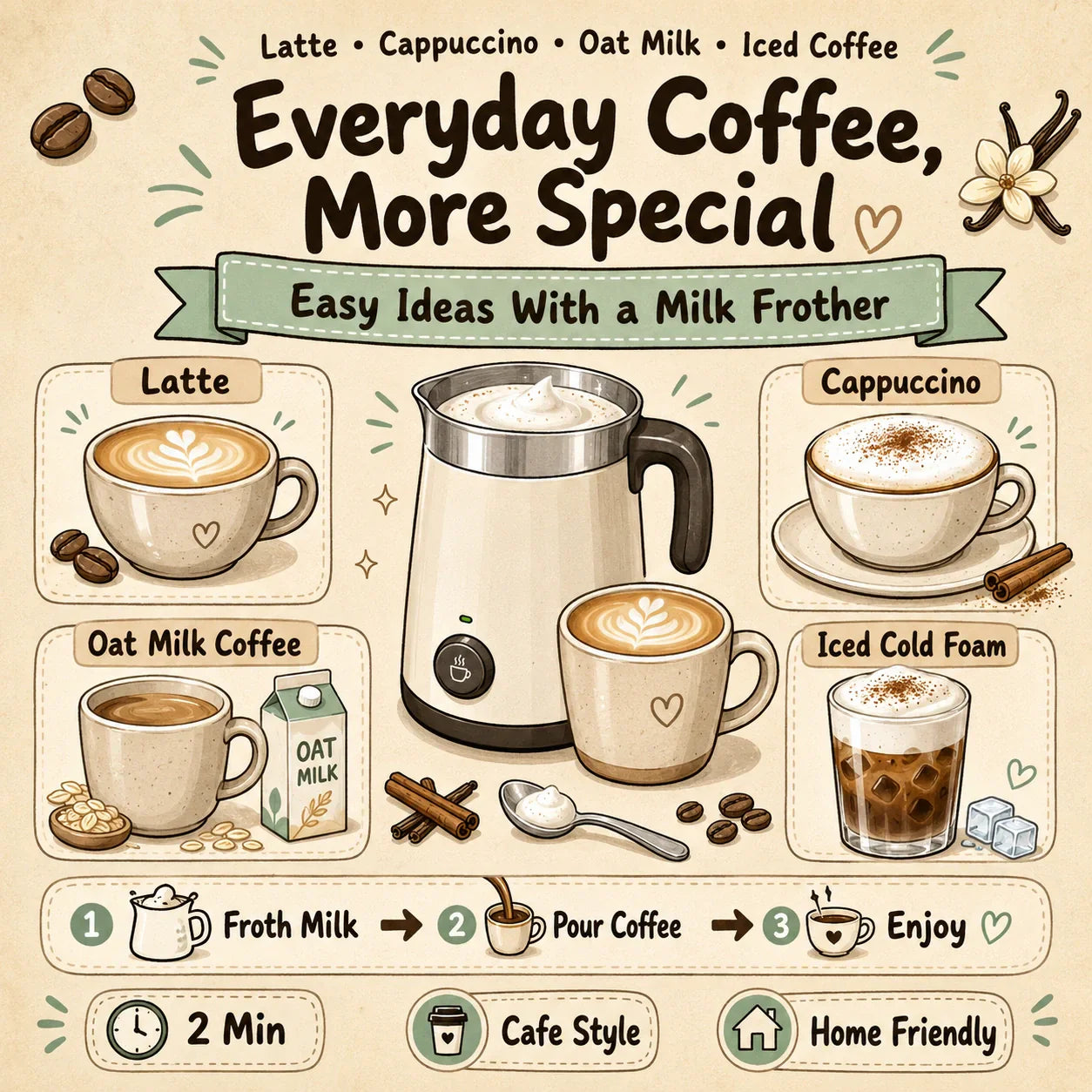
Four Drinks You Can Make With Frothers for Coffee at Home
Frothers for coffee unlock a short but versatile menu of drinks that previously required espresso machines or professional barista training. Each drink below uses a different frothing technique and milk ratio, covering a full range of flavors and textures.
- Latte-Style Coffee: uses 1 part strong brewed coffee to 3 parts microfoamed milk, producing a creamy, low-bitterness drink that suits daily drinking and pairs equally well with espresso for a richer result.
- Cappuccino-Style Coffee: layers equal thirds of coffee, steamed milk, and thick foam; the dense foam layer insulates the drink and slows cooling by approximately 2 to 3 minutes compared to a flat latte.
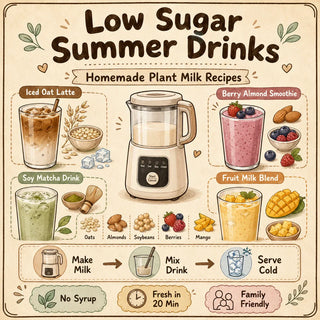
- Low-Sugar Flavored Coffee: replaces flavored syrups with frothed milk blended with a small amount of cinnamon, vanilla extract, or unsweetened cocoa powder stirred in before frothing, cutting added sugar to near zero while preserving aroma.
- Oat Milk Drink: benefits from frothing because commercial oat milk contains 1 to 2% fat and added emulsifiers that produce stable, naturally sweet foam without dairy; barista-grade oat milk froths most consistently due to its higher oil content.
- Iced Coffee With Cold Foam: layers cold-frothed milk (frothed without heat for 20 to 30 seconds) over ice and chilled coffee, creating a two-tone visual effect and a cool, creamy sip distinct from blended iced lattes.
These five drinks cover a full weekly rotation using a single coffee milk frother and different milk choices or flavor additions. The technique shift between microfoam and thick foam is the only variable that separates a latte from a cappuccino.
Step-By-Step: How to Froth Milk for a Latte-Style Coffee
A latte-style drink is the most accessible starting point because it tolerates slight frothing inconsistencies better than cappuccino does. This sequence works with any electric milk frother and produces consistent microfoam in under three minutes.
- Pour cold whole milk or oat milk to the MAX line of the frother jug; overfilling causes spills during expansion, as milk roughly doubles in volume when frothed.
- Select the latte or microfoam function on your electric milk frother, which heats milk to 60 to 65°C while spinning at low speed to create fine, integrated bubbles rather than large surface foam.
- Brew 150 to 200ml of strong coffee using a pour-over, French press, or Moka pot while the frother runs; a 1:10 coffee-to-water ratio (15g coffee per 150ml water) mimics the strength of a double espresso shot.
- Pour the brewed coffee into a preheated mug first, then tilt the mug at 30 degrees and pour frothed milk in a slow, steady stream starting from the center to encourage even layering.
- Tap the frother jug gently on the counter two or three times to pop any large surface bubbles, then swirl briefly before pouring to achieve the glossy, even microfoam texture characteristic of café lattes.
- Add any flavor (a pinch of cinnamon or a drop of vanilla extract) directly into the milk before frothing rather than after, so flavor disperses evenly through the foam instead of sitting on the surface.
Consistent latte results depend on milk temperature, fill level, and pour angle, not on expensive equipment. Once this six-step sequence becomes routine, adapting it to cappuccino or flavored oat milk drinks requires changing only the frother speed setting and milk type.
Choosing the Right Frothing Method: A Quick Comparison
Different frothing approaches suit different schedules, milk types, and target drink textures. This comparison covers four common methods across the dimensions that affect daily use with a coffee milk frother.
| Frothing Method | Best For | Foam Quality | Time Required | Dairy-Free Compatibility |
| Electric milk frother (jug type) | Daily latte or cappuccino at home | Consistent microfoam or thick foam depending on mode | 60 to 90 seconds | High: most models handle oat, almond, and soy milk |
| Handheld wand frother | Quick single-serve drinks, travel use | Moderate: larger bubbles, less stable foam | 30 to 45 seconds plus manual heating | Medium: requires pre-heating milk separately |
| French press manual method | Budget frothing, occasional use | Thick, pillow-like foam only | 60 to 90 seconds of pumping | Low: oat milk separates more easily |
| Mason jar shake method | Cold foam for iced drinks only | Coarse, large-bubble foam | 30 seconds shaking plus 30 seconds microwave | Medium: works with full-fat oat or whole dairy milk |
An electric milk frother delivers the most consistent foam quality across both dairy and non-dairy milks and requires the least manual effort, making it the practical default for daily use. Manual methods can work in a pinch, though an electric frother delivers consistently better results for daily use.

One Tool, Dozens of Drinks
Milk temperature and frother speed setting determine foam texture, not the coffee itself. Oat milk and low-sugar flavor additions expand the drink menu without any added equipment. The six-step latte sequence covered above applies directly to cappuccino, flavored coffee, and iced cold-foam drinks with minor adjustments. Pick one drink from the list above, use a coffee milk frother tonight, and compare the result to your usual cup.
Frequently Asked Questions
Q1. How Do You Froth Oat Milk Without It Going Watery?
Barista-grade oat milk contains added oil and emulsifiers that stabilize foam far better than standard varieties. Keep the milk cold (below 5°C) before frothing and heat to no more than 65°C during the cycle. Standard oat milk separates because its lower fat content cannot trap air bubbles as effectively as whole dairy or fortified barista blends.
Q2. What Is the Difference Between an Electric Milk Frother and an Automatic Milk Frother?
An electric milk frother is the broad category covering any powered frothing device, including handheld wands. An automatic milk frother refers specifically to a jug-style unit that heats and froths milk in one unattended cycle, stopping automatically when the target temperature is reached. All automatic milk frothers are electric, but not all electric frothers are fully automatic.
Q3. Can You Use a Coffee Milk Frother With Skim Milk?
Yes, skim milk froths into high-volume foam quickly because its elevated protein content traps air very efficiently. However, the foam is less stable and collapses within 60 to 90 seconds, making it better suited for drinks consumed immediately rather than layered presentations that need to hold their shape for several minutes.
Q4. Why Does Frothed Milk Taste Sweeter Than Plain Heated Milk?
Heat breaks lactose (milk’s primary sugar) into glucose and galactose, which register roughly 30 to 40% sweeter on the palate. Frothing also increases the milk’s surface area, intensifying contact with taste receptors. Both effects occur simultaneously during the froth cycle, producing clear perceived sweetness without any added sugar.
Q5. How Long Does an Automatic Milk Frother Take to Complete One Cycle?
Most automatic milk frother models complete a full heat-and-froth cycle quickly, with cold-froth-only mode running faster than heated modes. Cold-froth-only mode typically runs 30 to 45 seconds. Cycle time increases slightly with larger volumes or when starting from refrigerator-cold milk stored below 3°C.