The Science Behind Vegetable Juice and Blood Sugar Control
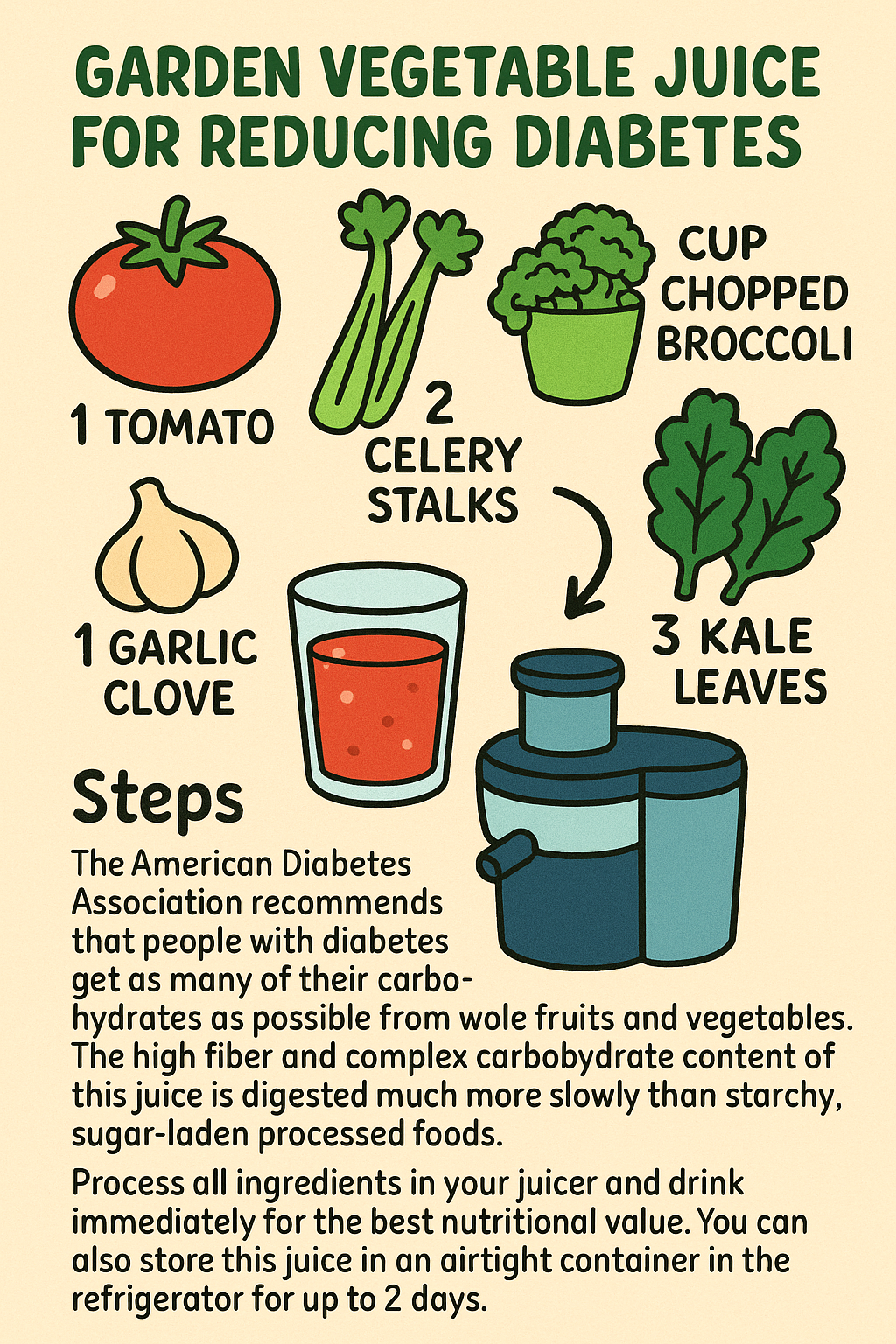
According to nutrition experts and organizations such as the American Diabetes Association, individuals managing diabetes should get their carbohydrates from whole fruits and vegetables rather than processed foods. The high fiber content in vegetables slows down sugar absorption, helping maintain steady glucose levels.
So if you’ve asked yourself, “What juice is good to prevent diabetes?”—the answer lies in fiber-rich vegetable blends like the one we’ll share below. They offer complex carbohydrates and phytonutrients essential for reducing blood sugar spikes.
Recipe Spotlight: Garden Vegetable Juice
Ingredients:
- 1 Tomato
- 2 Celery stalks
- 1 cup chopped broccoli
- 1 garlic clove
- 3 kale leaves
Preparation Steps:
Wash all ingredients thoroughly. Using a centrifugal juicer or manual juicer, process the vegetables until smooth. Drink immediately to enjoy maximum nutritional value. You can also refrigerate in an airtight container for up to two days.
This simple recipe demonstrates how accessible wellness can be. It takes only a few minutes yet provides nutrients such as vitamin C, potassium, and antioxidants that promote metabolic balance.
Why These Vegetables Are Ideal for Lowering Blood Sugar
- Tomatoes are packed with lycopene and vitamin C, supporting cardiovascular health and potentially improving insulin sensitivity.
- Celery adds hydration and minerals essential for nerve function, while also being low in carbohydrates.
- Broccoli contains sulforaphane, a compound linked to blood sugar regulation and anti-inflammatory effects.
- Garlic has been used for centuries to promote heart health and better glucose metabolism.
- Kale, one of the best vegetables for lowering blood sugar, delivers a dose of fiber and chlorophyll that helps maintain a healthy digestive system.
If you’re researching “What is the best vegetable for lowering blood sugar?”, these ingredients form a scientifically supported foundation.
Juicing Tips for Home Users
For home preparation, technology plays a big role in the final texture and nutrient retention.
A centrifugal juice extractor is great for quick, convenient juicing when you want to prepare fresh vegetable juice in the morning. On the other hand, a manual juicer appeals to those who prefer a slower process that preserves enzymes and natural flavors.
Pairing your vegetable juice with light breakfasts—like whole-grain toast or avocado—can enhance the glycemic balance throughout the day.
A Brief History: Juicing in Wellness Culture
Juicing isn’t just a modern trend. Ancient civilizations in Asia and the Mediterranean region used vegetable extracts for therapeutic purposes. Today, juicing represents a fusion of tradition and technology—allowing households to create nutrient-packed beverages that support longevity and energy. For many families, preparing daily vegetable juice has become a meaningful ritual that connects health, flavor, and sustainability.
Conclusion: Embrace Daily Healthy Habits
Homemade vegetable juice recipes are more than a lifestyle choice—they’re an investment in long-term health. Whether you use a centrifugal or manual juicer, fresh vegetables can play a significant role in preventing diabetes and maintaining balanced blood sugar.
Consistency matters: one glass of garden vegetable juice a day, coupled with mindful eating and regular physical activity, can lead to noticeable improvements in energy and well-being.