Fresh coffee at home is a game changer for any morning routine. Most people buy an entry level espresso machine based on how it looks on a store shelf. True brewing success depends on technical factors that people often overlook until the machine is in their kitchen. Focusing on these details helps you avoid common mistakes that lead to bitter drinks or messy counters. You can achieve a professional cafe experience at home by making a few smart choices before you buy.
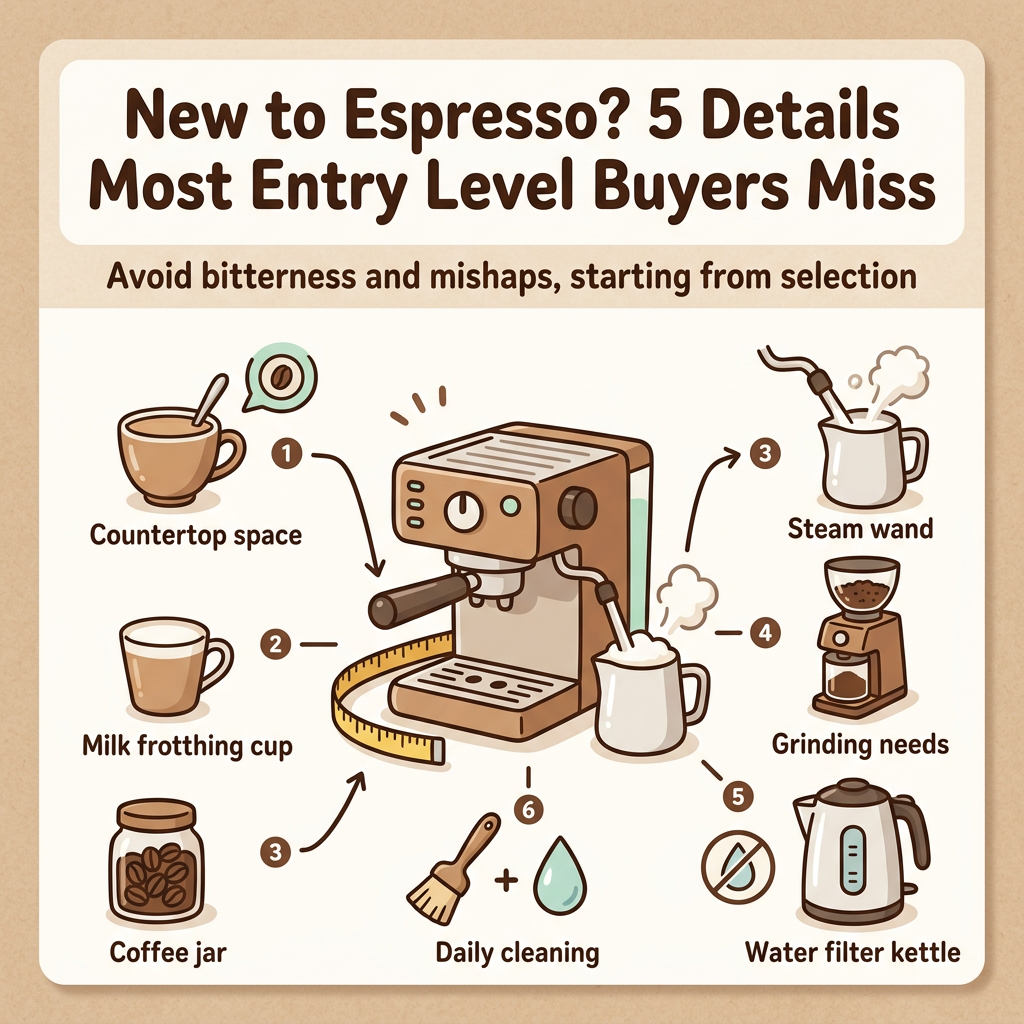
Detail 1: Actual Countertop Space for a Small Espresso Machine

Kitchen space is your most valuable resource when setting up a home cafe. A small espresso machine often takes up more room than the base measurements suggest. You must account for how you move around the unit every day.
- Vertical Space: Measure the height needed to remove the water tank or open lids under cabinets.
- Side Clearance: Ensure you have room to move your hands freely when using the portafilter.
- Depth: Check that the drip tray does not overhang your counter edge.
Planning the layout before the box arrives ensures the unit fits your lifestyle. A cramped kitchen often leads to a machine that stays tucked away and never gets used.
Detail 2: Functionality of an Entry Level Espresso Machine with Frother
Most beginners want to recreate their favorite cafe drinks at home. An entry level espresso machine with frother usually features a manual steam wand for heating and texturing milk.
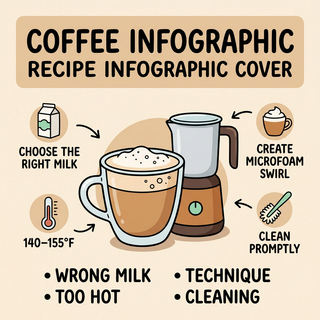
This tool is a metal pipe that releases pressurized steam into your milk pitcher. It allows you to create microfoam, which is a silky milk texture filled with tiny bubbles. Microfoam is the essential ingredient for pouring designs like hearts or rosettes in your cup. Mastering a manual wand offers the most rewarding results and is easier to clean than automatic systems. You only need to wipe the wand and purge it with steam after each use to keep it fresh.
Detail 3: Grinder Needs for a Compact Espresso Machine
The size of your equipment often dictates the quality of your coffee. A compact espresso machine often uses specific filter designs to be more forgiving for new users.
Most starter machines utilize pressurized filter baskets. A pressurized basket has a secondary floor with one tiny hole to create artificial pressure. This design helps extract a rich crema even if your coffee grind is not perfectly consistent. Crema is the golden foam that sits on top of a well brewed espresso shot. This feature allows you to get great results with pre ground coffee while you decide if you want to invest in a separate burr grinder later.
Detail 4: Maintenance Rituals for Your Entry Level Espresso Machine
Proper care is the secret to making your investment last for many years. Your entry level espresso machine requires a simple daily routine to keep the internal parts from clogging.
If your machine has a frother, you must clean it after every use to prevent milk proteins from baking onto the metal. The group head, where hot water meets the coffee, also needs a quick rinse daily. Running a short cycle of water without coffee flushes out loose grounds and old oils. These habits prevent bitter flavors and extend the life of the rubber seals inside the unit.
Detail 5: Water Filtration for Your Small Espresso Machine's Longevity
The water you use is the most common cause of machine failure. A small espresso machine needs high-quality water to prevent scale buildup and ensure the coffee tastes bright. The following table explains how different water types affect your machine.
| Water Type | Impact on Coffee Taste | Impact on Machine Life |
| Hard Tap Water | Dull and flat flavors | Rapid scale buildup |
| Distilled Water | Very sour and metallic | Possible sensor errors |
| Filtered Water | Balanced and bright | Minimal scale and long life |
Using filtered water will keep your machine running smoothly for years.
Descaling is the process of using a safe chemical solution to melt away mineral deposits inside the pipes. Even with filtered water, you should do this a few times a year. If you live in a hard water area, you may need to descale every month. Ignoring this process will eventually stop the water flow and damage the heating element.
FAQs
Q1. What Is The Best Entry Level Espresso Machine For A Beginner?
The best choice is a machine that offers high pressure and a reliable manual steam wand. You should look for a model with pressurized baskets to ensure consistent results while you are still learning. A stainless steel finish is also great for durability and easy cleaning.
Q2. Do I Need A Separate Grinder With A Compact Espresso Machine?
No, you do not always need a separate grinder to start. Many compact machines use pressurized baskets that work well with high-quality pre-ground coffee. This allows you to enjoy espresso immediately without buying extra gear right away.
Q3. How Often Should I Clean My Small Espresso Machine With Frother?
You must wipe and purge the steam wand after every single use to maintain hygiene. The group head should be rinsed daily with fresh water to remove old coffee oils. Depending on your water hardness, perform a full descaling cycle every few months.
Q4. Can An Entry Level Espresso Machine Make Professional Latte Art?
Yes, a machine with a manual steam wand can produce the microfoam needed for professional designs. It requires practice to master the angle and depth of the wand in the milk pitcher. Once you learn the technique, you can create cafe-quality art at home.
Start Your Home Barista Journey
Owning a dedicated coffee station is a rewarding experience that improves your daily routine. By paying attention to the space requirements, the frothing system, and the importance of water quality, you avoid common pitfalls. Focus on the simple habits of cleaning and using filtered water to ensure your investment pays off in every delicious cup. Take the leap into home brewing with the confidence that you have the right knowledge to succeed. Your perfect shot of espresso is only a few adjustments away.