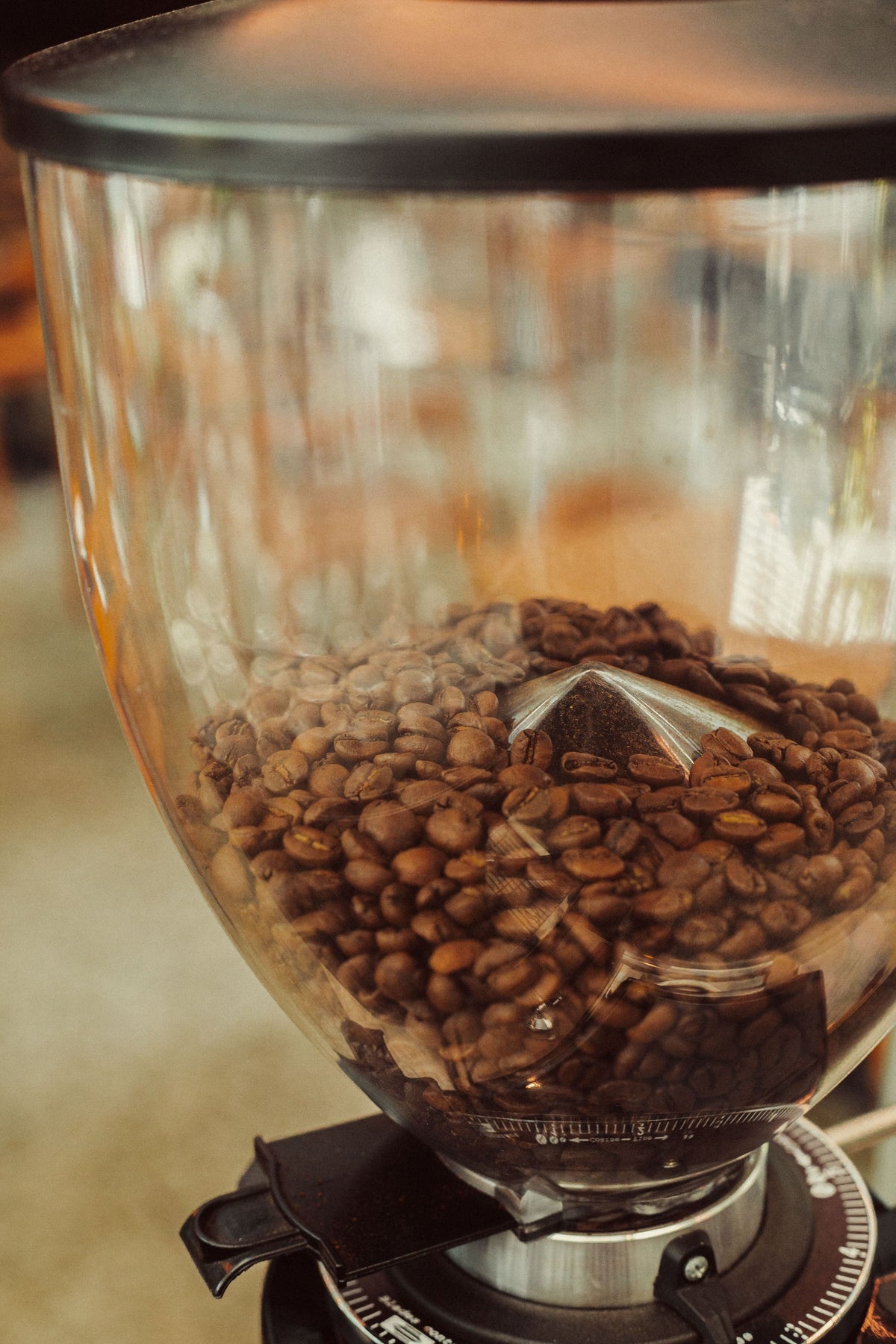
A large coffee grinder makes sense when you regularly grind 50–70 grams or more for a larger batch, several people, or a full pot. If you usually prepare one or two cups at a time, a smaller capacity may be easier to use and store. Focus on how many grams you need for one normal brew, not simply the largest hopper or bowl listed on the product page.
How Much Coffee Do You Actually Grind Each Day?
Start with the amount you grind in one brewing session, not your total coffee consumption for the day. If you make three separate 18-gram coffees, you do not necessarily need a grinder that holds 54 grams at once. If you regularly grind 60 grams for one batch, larger capacity becomes much more useful. These ranges provide a practical starting point for home use:
| Coffee Ground Per Brew | Typical Home Routine |
|---|---|
| 10–20 g | One smaller serving or single espresso-based recipe |
| 20–30 g | One larger mug or individual pour-over |
| 30–45 g | Two servings or a medium batch |
| 45–60 g | Several cups or a smaller pot |
| 60–75 g | Larger household batch or roughly 4–6 cups, depending on the recipe |
Cup sizes and coffee strength vary considerably, so grams are more reliable than “cups” when choosing grinder capacity. A large travel mug may use more coffee than two small coffee-maker cups, even though both routines might be described as making “one cup.”
For filter brewing, the Specialty Coffee Association discusses a common coffee brewing ratio of about 60 g/L. That is useful as a reference, but your preferred strength, brewer, and serving size can move the actual dose higher or lower.
Before comparing grinders, weigh the beans you normally use for your largest regular brew. That number gives you a much more useful capacity target than guessing from the number of people in your household.
What Coffee Grinder Capacity Is Right for Different Brewing Needs?
Around 20–30 grams is enough for many single-person brews, 30–50 grams covers many two-person routines, and 50–75 grams becomes more convenient when you regularly prepare several servings at once.
One or Two Servings
If you normally make one pour-over, moka pot, or other personal brew, a grinder that handles around 20–30 grams per batch may already cover most mornings comfortably.
Two-person routines often move closer to 30–45 grams, depending on serving size and strength. At this level, enough capacity to finish the entire dose in one cycle can make preparation easier without requiring a particularly large grinder.
Several Cups or a Larger Batch
A grinder with roughly 50–75 grams of working capacity becomes more useful when you routinely prepare coffee for several people or make a larger pot at once. Instead of splitting one recipe across two grinding cycles, you can prepare the batch together.
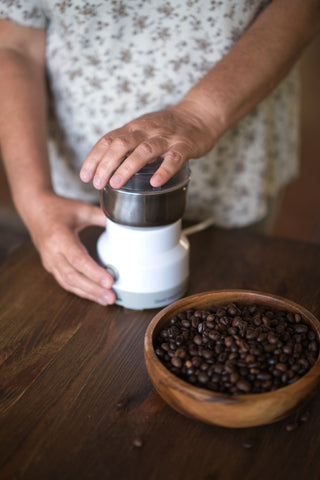
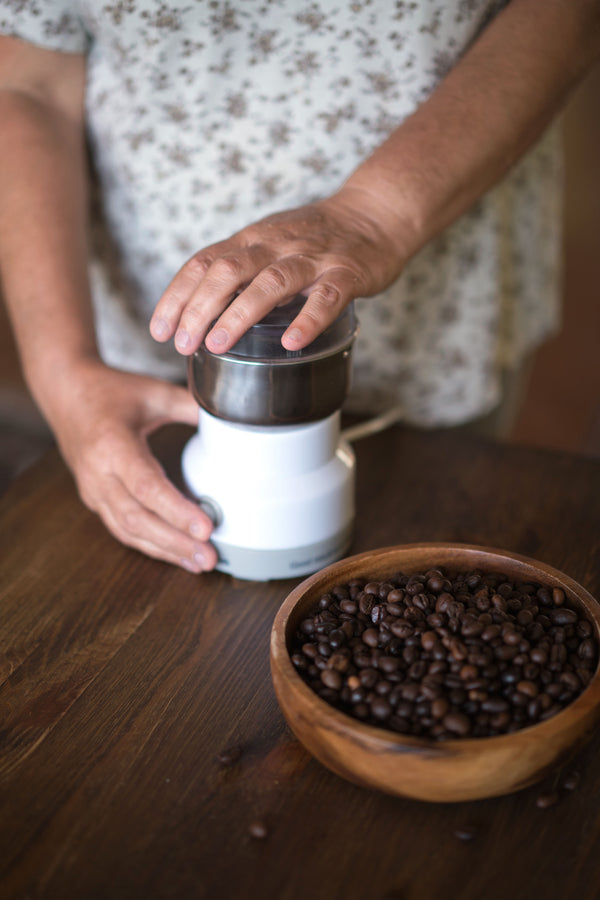
The SHARDOR Coffee Blade Grinder with Custom Grinding is a useful example. Its removable stainless steel grinding cup holds about 70 grams of coffee beans, making it a practical size for households that sometimes prepare roughly 4–6 cups in one session but do not need an oversized commercial-style grinder.
That extra capacity can also help when your routine changes on weekends. You might normally grind 20 grams for yourself during the workweek, then need a much larger batch when your partner, family, or guests are having coffee with you.
The removable grinding cup also suits this larger-batch scenario because the grounds can be transferred from the cup to the brewer without handling several smaller batches separately.
Is Grinder Capacity the Same as How Much Coffee You Should Grind at Once?
No. A grinder's hopper capacity, bowl capacity, and recommended single-batch capacity can describe different things. Check which measurement a specification refers to before deciding whether a grinder is large enough for your routine.
A hopper capacity tells you how many whole beans the grinder can store above the grinding mechanism. A burr grinder may hold a large supply of beans while grinding only the amount selected for each serving.
A grinding bowl or cup capacity refers to the amount that can be loaded into the grinding chamber. This measurement is especially relevant for blade grinders with removable cups.
A grounds container capacity describes how much finished ground coffee the output container can hold. It may be completely different from the hopper capacity.
Most importantly, the grinder's recommended working capacity tells you how much it is designed to process in one cycle. Do not assume that a large hopper means the machine should grind every bean in the hopper at once.
This distinction also matters with an automatic coffee grinder machine. A model may store several days' worth of beans while using timer or cup controls to grind only the portion needed for the next brew.
When comparing capacity specifications, look for the number that corresponds to the way you plan to use the grinder rather than treating every capacity figure as interchangeable.
When Does a Larger Coffee Grinder Make More Sense?
A larger grinder is most useful when larger batches are part of your regular routine rather than something you make once or twice a year. It becomes particularly practical when:
- Several people drink coffee together. One grinding cycle can prepare the beans for a shared morning brew.
- You regularly make a larger drip or French press batch. A 50–70 gram dose is easier when it does not need to be divided between several loads.
- You fill a larger carafe before work. Batch brewing can require considerably more coffee than a single-cup routine.
- You often have guests. Extra working capacity gives you room to increase the recipe without changing your normal setup.
- One grinder serves the whole household. More capacity reduces repeated loading when several servings are prepared close together.
A larger capacity adds less value when every coffee is made individually. Someone grinding 18–20 grams for one drink at a time does not need a 70-gram bowl simply because the grinder can hold more.
Physical size also matters. More hopper or bowl capacity can mean a larger appliance on the counter, so the extra space should correspond to a real need in your weekly routine.
How to Balance Grinder Capacity With Freshness and Daily Convenience
Choose enough working capacity for your largest regular batch, then keep the rest of your beans stored according to your normal freshness routine. Buying a larger grinder does not mean you need to fill it to maximum capacity every time.
This is particularly important with hopper-style burr grinders. A large hopper can make repeated grinding convenient when several people use the same beans, but it can still be loaded with a smaller amount when that better fits your routine.
Capacity should also work alongside the recipe rather than determine it. Research from the UC Davis Coffee Center on the coffee brewing control chart highlights coffee-to-water ratio as one of the variables that affects brewed coffee. In practical terms, the grinder should accommodate the dose your preferred recipe calls for rather than encouraging you to change the recipe just to match the machine.
Consider these two households:
A single coffee drinker normally grinds 20 grams for a morning pour-over. Even if that person drinks another coffee in the afternoon, a compact grinder can still handle the routine because each dose is prepared separately.
A family may grind 55–70 grams once every morning for a shared batch. For them, larger working capacity can remove an extra grinding cycle every day and offer much more noticeable convenience.
That is also why hopper size should not be the first feature when looking for the best home burr coffee grinder. Grind range, repeatable adjustment, dosing controls, cleaning access, and the amount you actually grind at one time may all matter more.
If your household uses a burr grinder several times throughout the day, the SHARDOR burr coffee grinder collection includes different hopper sizes, grind ranges, timers, and dosing controls for different home routines.
Match Grinder Capacity to the Batch You Actually Brew
A large coffee grinder earns its extra capacity when you regularly prepare several servings, larger pots, or roughly 50–75 grams of beans in one session. Smaller grinders remain practical when most of your coffee is made one serving at a time. Use your largest normal batch as the deciding number. Enough working capacity to grind that amount comfortably gives you useful headroom without paying for or storing more grinder than your household actually needs.
FAQs
Q1. What Size Coffee Grinder Do I Need for Home Use?
A grinder that handles 20–30 grams may be enough for one-person brewing, while 30–50 grams suits many two-person or medium-batch routines. If you regularly make several cups at once, a working capacity around 50–75 grams can be more convenient.
Q2. How Many Cups Can 70 Grams of Coffee Make?
Around 4–6 cups is a practical household estimate, although the exact number depends on cup size, brewing ratio, and preferred strength. Use the grams required by your normal recipe when deciding whether a 70-gram grinder capacity is enough.
Q3. Is a Larger Coffee Grinder Better?
Not necessarily. Larger capacity saves time when you regularly prepare larger batches, but it does not improve a 20-gram dose simply because the grinder can hold more. Grind control, ease of cleaning, counter space, and everyday workflow still matter.
Q4. Can I Grind 60 Grams of Coffee at Once?
Yes, if your grinder's recommended working capacity is at least 60 grams. Check the instructions or maximum fill guidance rather than assuming the hopper or container size represents the amount that should be ground in one cycle.
Q5. Should I Keep a Large Coffee Grinder Hopper Full?
You do not need to. A larger hopper gives you the option to store more beans for repeated grinding, but you can load smaller amounts if that better suits your brewing and storage routine.