Why Combine Sweet Potato and Asparagus?
A common question is, “Can I eat sweet potato and asparagus together?” Absolutely! These two vegetables complement each other nutritionally and flavor-wise. Sweet potatoes are rich in beta-carotene, which converts into vitamin A—essential for healthy vision, immunity, and skin. Asparagus, on the other hand, offers fiber, folate, potassium, and plant-based protein.
Together, they create a nutrient-dense juice that supports muscle recovery, digestion, and energy throughout the day. The natural sweetness of the sweet potato balances the mild earthiness of asparagus, producing a smooth, refreshing taste.
Are Sweet Potatoes OK for Diabetics?
Sweet potato juice contains natural carbohydrate and loses much of the fiber found in the whole vegetable. Anyone managing blood sugar should base serving choices on personal medical guidance rather than treating this recipe as a diabetic-friendly drink.
How to Make the Perfect Vegetable Juice at Home
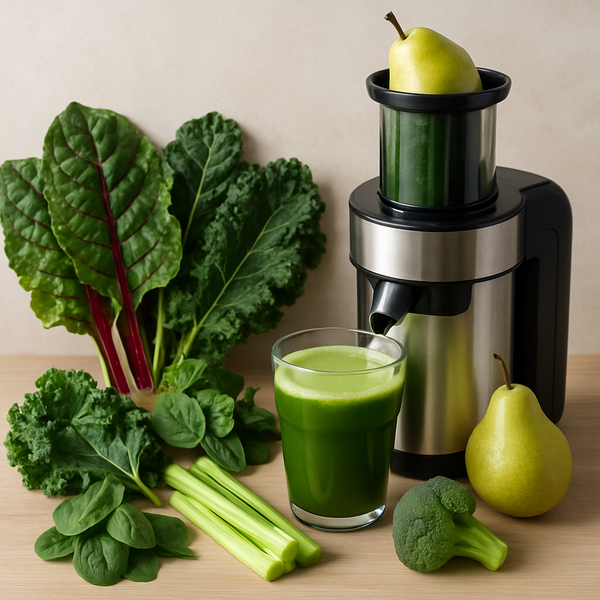
To achieve the ideal texture and flavor, you can use either a centrifugal juicer or a manual juicer, depending on your preference.
- A centrifugal juicer works quickly and is perfect for busy mornings—it extracts fresh juice in seconds.
- A manual juicer, though slower, helps preserve more nutrients due to lower oxidation and heat production.
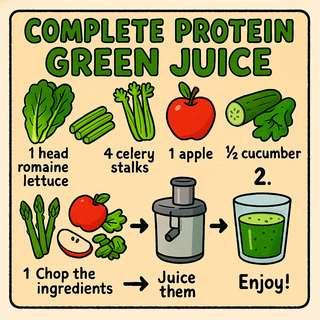
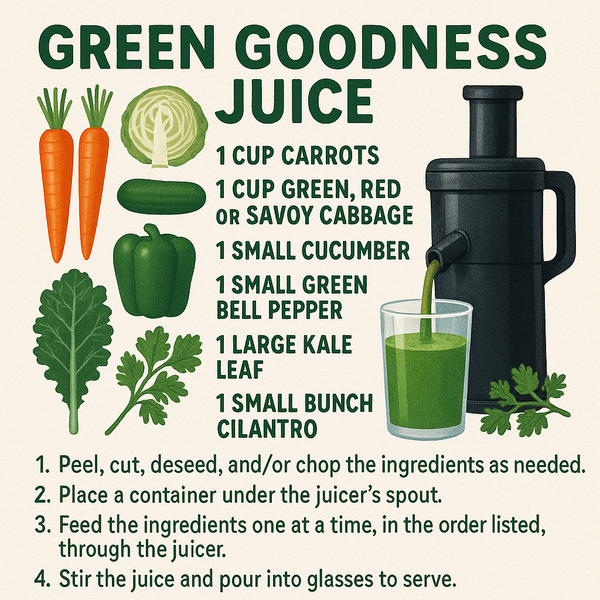
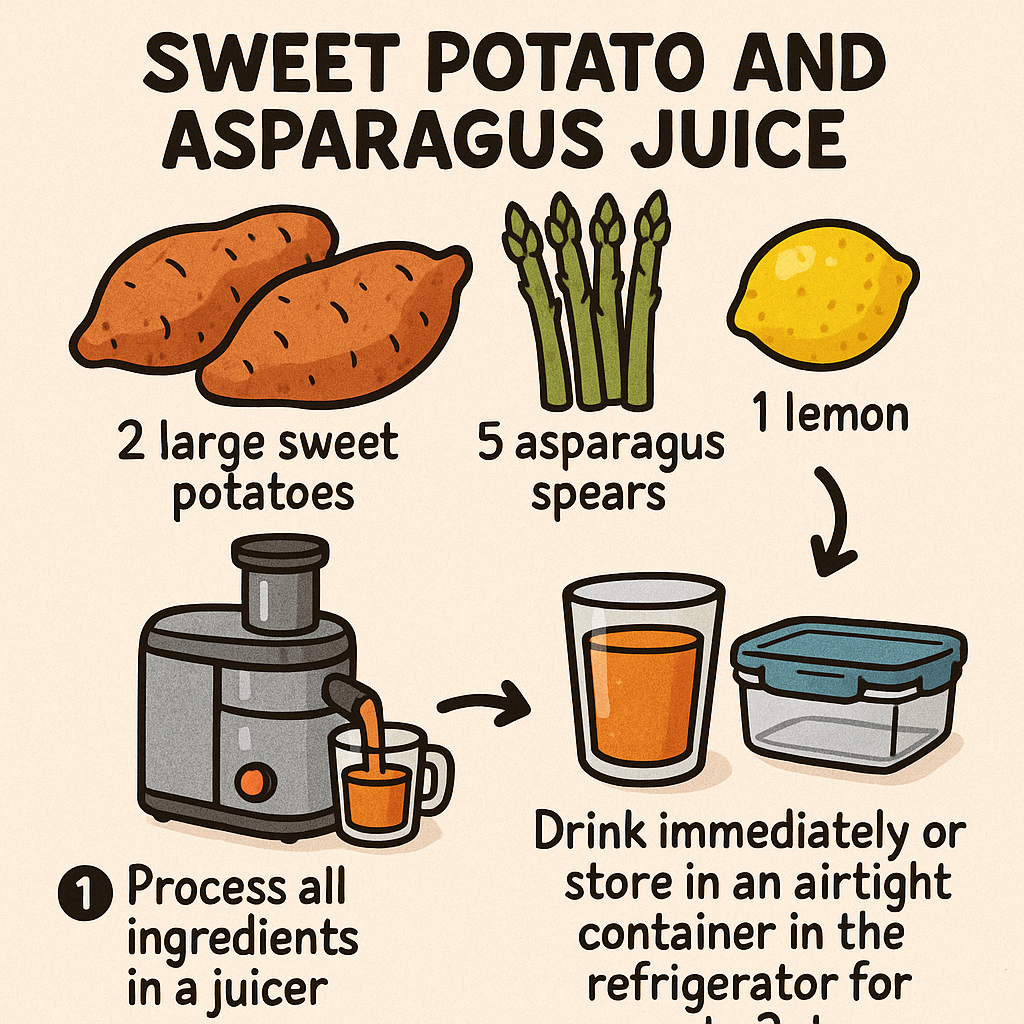
Simply wash and peel two large sweet potatoes, trim five asparagus spears, and add a hint of lemon for brightness. Juice all ingredients, stir well, and enjoy immediately to maximize vitamin content. If you prefer a smoother consistency, you can strain the juice or blend it with a splash of cold water.
Can You Roast Asparagus with Sweet Potatoes?
If you love these flavors but want a warm version, you might ask, “Can you roast asparagus with sweet potatoes?” Yes! Roasting caramelizes the natural sugars, creating a comforting side dish rich in antioxidants. Whether roasted or juiced, these ingredients maintain their beneficial nutrients. Many health-conscious home cooks enjoy both preparations for variety.
The Story Behind Vegetable Juicing
Modern juicers make it easy to use leftover produce and control the ingredient list. Sweet potato and asparagus create an unusual sweet-savory combination that can be adjusted with citrus or ginger.
Pro Tips for a Better Juicing Experience
- Use cold ingredients. This ensures the juice stays fresh longer.
- Mix textures. Sweet potatoes add density, while asparagus contributes hydration and fiber.
- Experiment with flavor. Add apple for sweetness or ginger for a spicy kick.
- Store smartly. Keep your juice in an airtight glass container; consume within three days.