Why Superfoods Matter
Superfoods are foods naturally high in beneficial compounds—such as antioxidants, vitamins, and minerals—that can promote overall health. People often ask, “Are superfood powders actually good for you?” While powders can be convenient, nothing quite matches the freshness and nutrient density of whole fruits and vegetables juiced immediately before drinking.
Dark berries, for example, are renowned for their high vitamin C content and flavonoids, which help neutralize free radicals in the body. Spinach adds a dose of iron and plant-based protein, while pineapple provides bromelain, an enzyme that supports digestion.
Step-by-Step: How to Make This Superfood Juice
Ingredients:
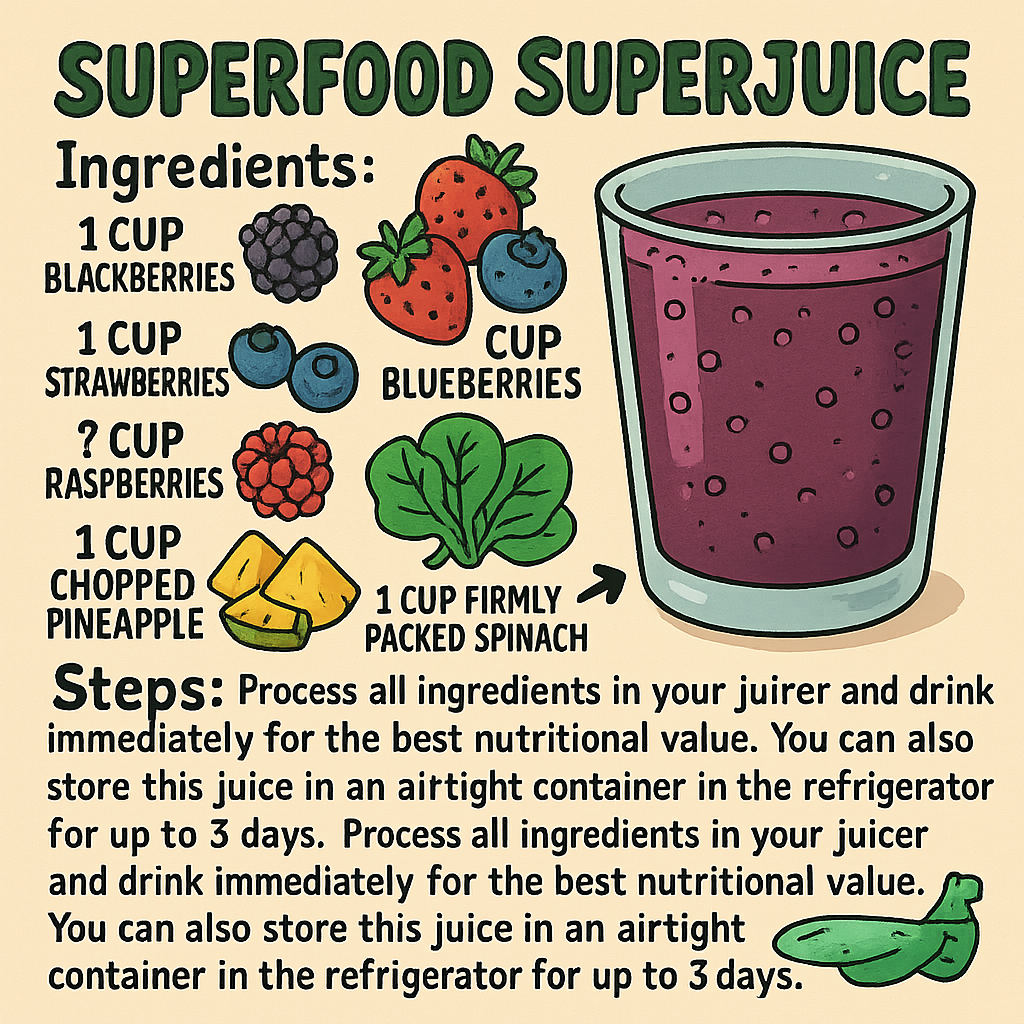
- 1 cup blackberries
- 1 cup strawberries
- ½ cup blueberries
- ½ cup raspberries
- 1 cup chopped pineapple
- 1 cup firmly packed spinach
Preparation:
- Wash all fruits and vegetables thoroughly.
- For optimal texture, remove stems from strawberries and tough cores from pineapple.
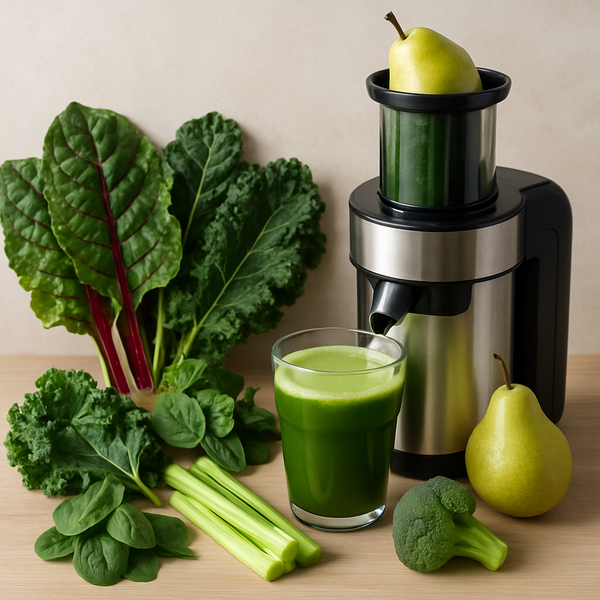
- Add ingredients to your juicer—whether you use a centrifugal juicer for speed or a manual juicer to preserve maximum nutrients.
- Serve immediately for peak freshness, or store in an airtight container for up to 3 days in the refrigerator.
The Science Behind Super Juice
Berries contribute color, acidity, and naturally occurring plant compounds. Combining them with vegetables can broaden the flavor and ingredient variety without requiring extra sugar.
Curious minds sometimes ask, “How much caffeine is in Subi?” While Subi (a powdered superfood brand) contains plant-derived caffeine depending on its ingredients, the fresh juice here is caffeine-free—making it suitable for all ages.
Flavor Boost & Variations
One of the joys of homemade super juice is experimentation. Try swapping pineapple for mango for a tropical twist or adding kale instead of spinach for slightly more bitterness.
For a cooler refreshment, blend the juice with ice cubes to create a nutrient-rich smoothie.
A Brief History of Juicing
Home juicing became increasingly popular during the twentieth century as appliances made fresh juice easier to prepare. It remains a practical way to use fruits and vegetables without bottled flavorings or preservatives.